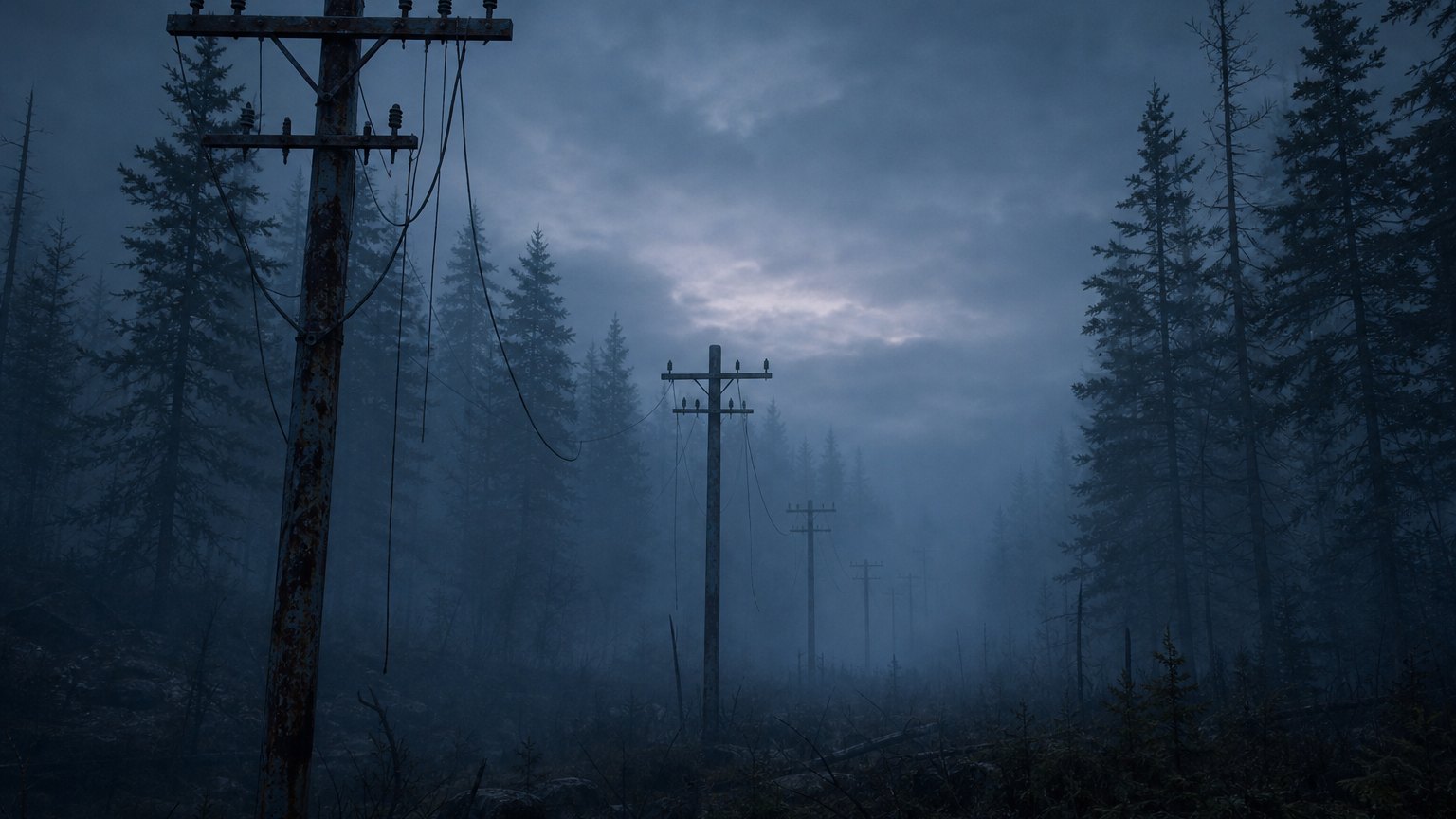
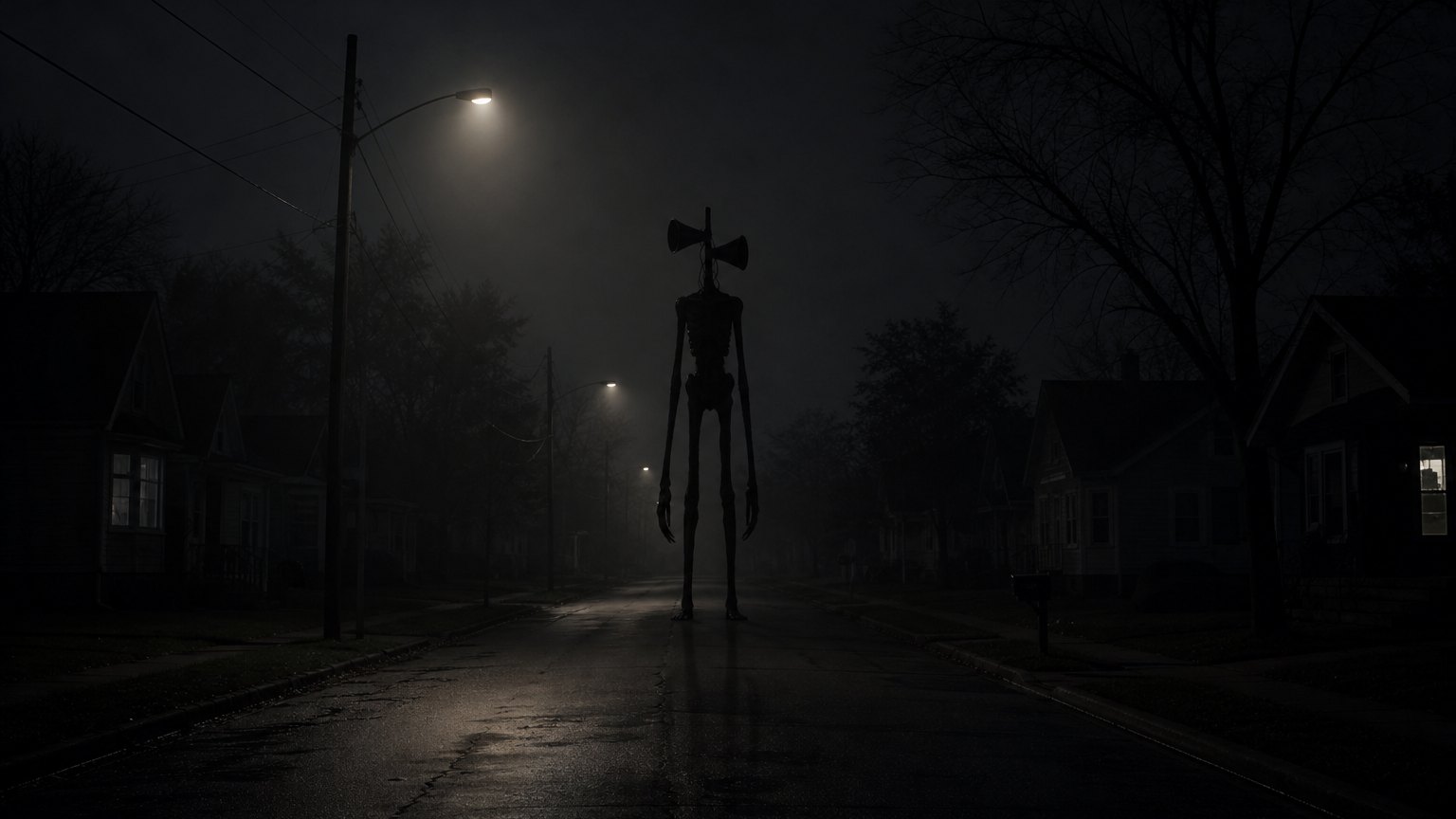
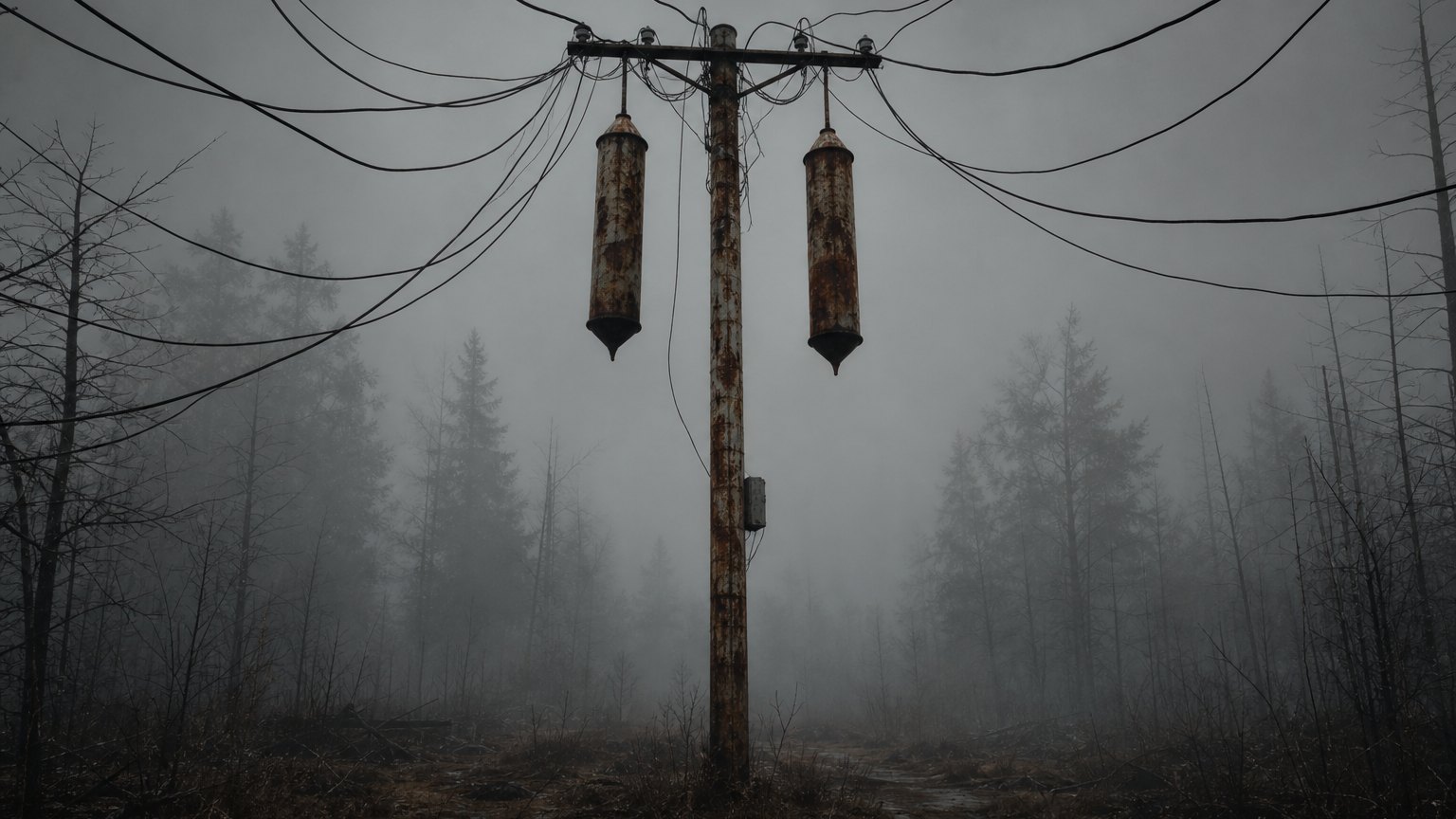
The horror landscape is currently saturated with IP that begs for adaptation, but few concepts have achieved the specific, unsettling ubiquity of Siren Head. Trevor Henderson’s creation—a towering, skeletal entity with sirens for a head—has long served as a staple of creepypasta lore, terrifying anyone who has ever walked through a forest at night. Now, Warner Bros. has officially acquired the film rights, reportedly winning a heated bidding war to secure the property. This is not just a corporate acquisition; it is a signal that studios are finally taking internet-born monsters seriously, provided they attach the right creative firepower.
The Creative Handoff
What makes this acquisition noteworthy is not the studio behind it, but the talent attached. Brian Duffield is set to direct, a move that suggests Warner Bros. is aiming for a tone that balances visceral terror with narrative coherence. Duffield has proven his ability to handle genre material with a distinct voice, often blending supernatural elements with grounded character drama. His selection indicates a desire to move beyond simple jump-scare montages and build a mythos around the creature.
Even more promising is the screenplay credit going to Zach Cregger. Known for his work on the upcoming film Weapons, Cregger brings a reputation for intricate plotting and unsettling atmosphere. His involvement suggests that the script will prioritize psychological dread over cheap thrills. Cregger’s track record implies that the adaptation will respect the source material’s ambiguity, focusing on the terror of the unknown rather than over-explaining the monster’s origins. This is a crucial distinction. Most monster movies fail because they demystify the threat too early. Cregger’s involvement offers a glimmer of hope that Siren Head will remain an enigma until the final act.
The Verdict
Warner Bros. has the resources to make this a theatrical event, but resources do not guarantee quality. The challenge lies in translating a static image into a moving, breathing nightmare without losing its essence. The creature’s design is inherently simple, relying on sound and silhouette for impact. A bad adaptation would turn it into a generic slash-and-bash creature feature, stripping away the atmospheric tension that made Henderson’s character famous in the first place.
However, the combination of Duffield’s direction and Cregger’s writing creates a compelling synergy. They are not just attaching names; they are attaching a specific aesthetic and narrative discipline. The bidding war win indicates high stakes, and high stakes often lead to higher production values. While the internet has long debated the potential of Siren Head on screen, this pairing suggests that Warner Bros. is confident in its ability to deliver a credible horror experience.
My verdict is cautiously optimistic. The potential for a genuinely terrifying film exists here, driven by the right creative minds. It is not a guaranteed hit, but it is a smart gamble. If the execution matches the ambition, Siren Head could become a defining monster for the current decade. If not, it will be another forgotten entry in the long line of failed viral horror adaptations. Given the talent involved, I am betting on the former.
Comments (4)