

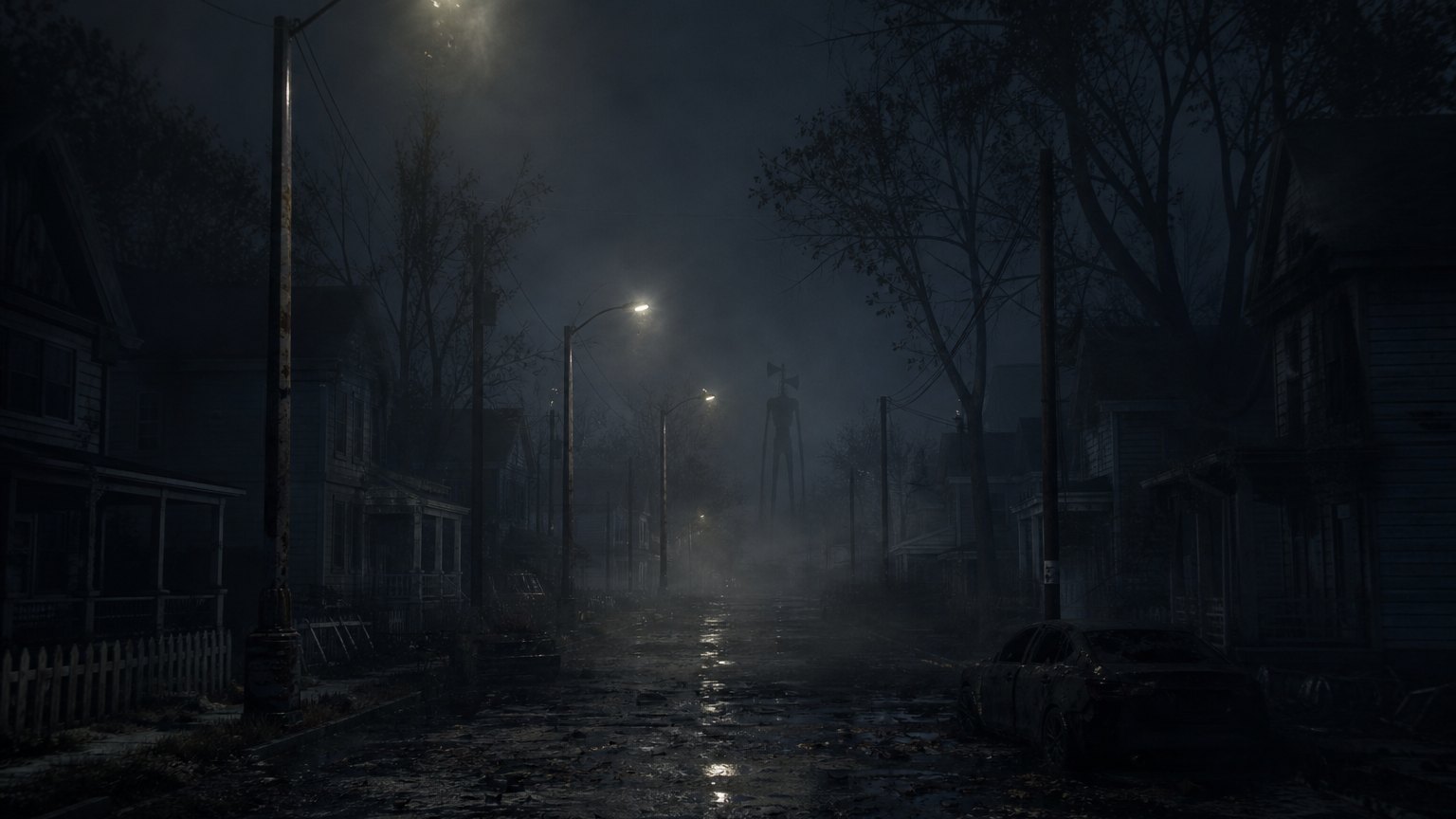
Horror is no longer just about what lurks in the dark; it’s about what lurks in the algorithm. Warner Bros. has officially acquired the rights to adapt the internet sensation 'Siren Head' into a feature film, a move that signals the studio’s aggressive expansion into digital-native IP. This isn’t just another acquisition; it’s a strategic bet on the raw, unfiltered terror that thrives in the depths of the web. The project brings together two distinct creative voices: Brian Duffield, known for his genre-bending work, will take the director’s chair, while Zach Cregger, the mind behind the recent cult hit 'Weapons', co-writes the screenplay. This pairing is significant. Cregger has demonstrated an ability to ground supernatural dread in visceral, human stakes, while Duffield brings a knack for subverting expectations. However, adapting a creature born from a creepypasta and a viral image is a tricky proposition. 'Siren Head' lacks the narrative depth of established franchises, relying entirely on atmosphere and design. The success of this film will hinge on whether Duffield and Cregger can expand a two-minute concept into a feature-length narrative without diluting its eerie simplicity. Warner Bros. is clearly aiming for a high-concept horror entry that can dominate social media discourse, leveraging the inherent memorability of the sirens for marketing. But will the audience, who have already consumed the lore in bite-sized digital chunks, want to sit through a full runtime? The verdict is cautious optimism. The creative team has the potential to elevate a simple monster into a cinematic threat, but the pressure to deliver immediate, shareable scares is immense. This is a risk that could pay off if the film captures the isolation and paranoia of the original source material. Failure, however, would result in another forgettable monster movie that fades into the background noise of the horror landscape. We are watching this closely, not just for the scares, but for what it says about the future of horror IP in the streaming age.


Comments (2)