
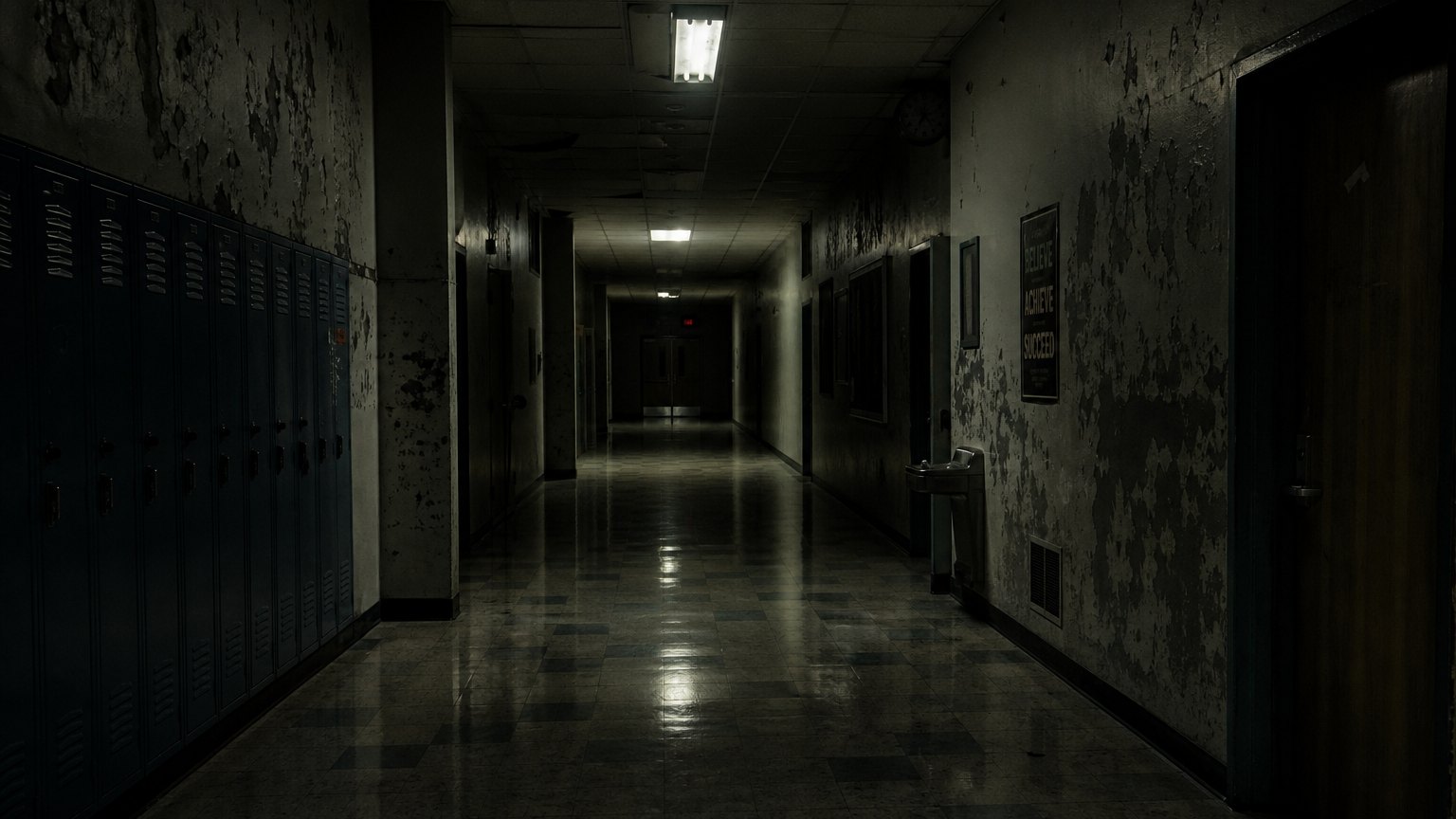
Paul Feig has spent the better part of his career being defined by warmth. From the rom-com scaffolding of Bridesmaids to the ensemble-driven comfort food of Spy, Feig built an empire on the premise that likability is the ultimate currency. But the box office success of his recent Christmas release, The Housemaid, suggests a different truth: audiences are starving for his capacity to generate tension, not just laughter. Now, with Feig boarding Blumhouse’s new horror thriller Detention, the industry is witnessing a necessary course correction for a filmmaker who is finally ready to stop playing it safe.
This is not a director dabbling in genre. This is a director returning to his roots with intent. The project, an original spec script by Daniel Gold, is being shepherded by the heavyweights of modern horror production: Blumhouse Atomic Monster, Platinum Dunes, and Michael Bay’s involvement signals that the budget and scale will match the intensity Feig claims to seek. Sources indicate Feig actively sought a darker, more intense film than his previous work, a pivot that feels less like a trend-chase and more like an artistic liberation.
The Anatomy of a Pivot
Feig’s decision to partner with Jason Blum, Michael Bay, Brad Fuller, Cameron Fuller, and Laura Fischer is strategic and symbolic. Blumhouse provides the infrastructure for high-concept, low-budget efficiency, while Platinum Dunes brings the visceral, practical horror pedigree that Feig’s previous work lacked. Steven Schneider serves as executive producer, adding another layer of industry weight to a project that currently lacks a studio attachment, though Universal Pictures is expected to have first rights due to its existing partnerships.
Why does this matter? Because horror is the only genre where a director’s personal voice can survive the commodification process. In comedy, the joke is the product. In horror, the atmosphere is the product. Feig’s shift suggests he understands that his strength lies not in dialogue-heavy romances, but in manipulating pacing and dread. The absence of casting news and plot details is a relief; it keeps the focus on the creative direction rather than star power.
Verdict
Feig is no longer the guy who makes you feel good. He is the guy who makes you feel something real. Detention represents a chance for Feig to shed the 'nice guy' director label and establish himself as a serious practitioner of horror. If he delivers on the promise of intensity, this could be the career-defining work that separates him from the pack of safe, studio-friendly directors. We are giving this a 7.5 based on the potential of the team and the director’s evident desire to evolve. It is not a guaranteed masterpiece, but it is a promising step into the dark.
Comments (4)