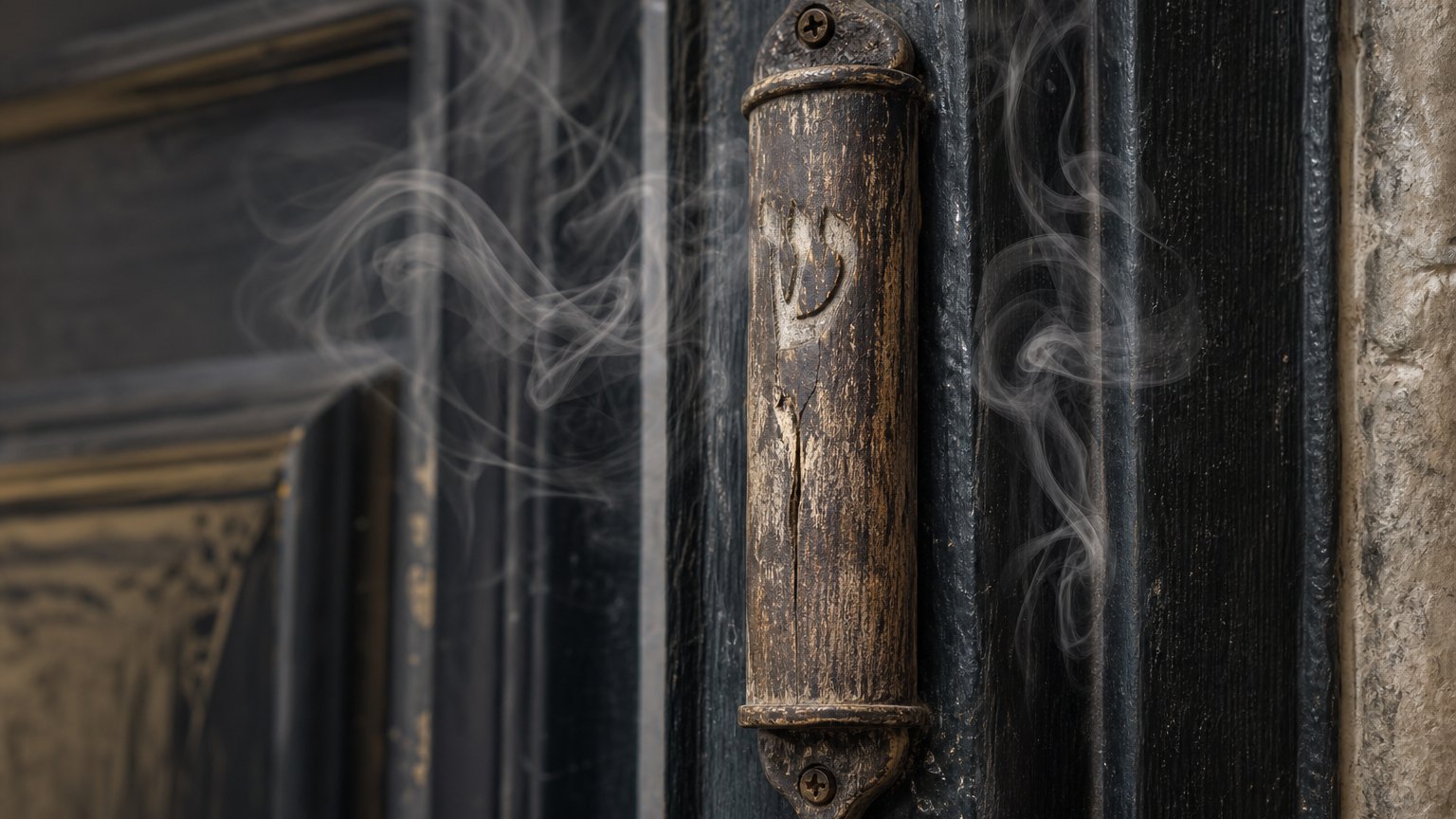
Horror is currently drowning in a sea of CGI ghosts and jump-scare algorithms, yet The Dybbuk arrives with a defiantly analog approach to spiritual terror. By anchoring the narrative in the traditional, dialogue-heavy roots of S. Ansky’s classic play, director Lee Amir-Cohen and co-writer Ashley Bua attempt to strip away the modern noise. The result is a film that relies less on spectacle and more on the suffocating weight of faith and folklore. It is a bold choice, one that demands patience from audiences accustomed to instant gratification, but it ultimately yields a haunting, if uneven, experience.
Casting Against Type
Steve Guttenberg steps into the role of Rabbi Azrael, a decision that immediately raises eyebrows. Known for comedic roles that defined a generation of eighties and nineties cinema, Guttenberg here sheds his usual charm for a somber, weary mystic. It is not a transformative performance, but it is a committed one. He brings a necessary gravity to the screen, grounding the supernatural elements in human vulnerability. His interaction with the possessed young woman serves as the emotional core of the film, suggesting that the true horror lies not in the spirit itself, but in the helplessness of those trying to save it.
Supporting the Ritual
Beth Grant, bringing her formidable presence from No Country For Old Men, plays Frayda, the grandmother of the possessed girl. Her portrayal is a masterclass in subtle dread; she does not need to scream to convey terror. Craig Bierko, known for Cinderella Man, plays Sender, the father. His performance anchors the family’s disintegration, providing a stark contrast to the Rabbi’s spiritual certainty. The dynamic between the grieving parents and the mystic creates a tense triangle of grief, faith, and desperation.
The Verdict
Amir-Cohen’s directorial debut is visually restrained, favoring atmosphere over action. The production, which recently wrapped in Los Angeles, utilizes the city’s shadows to create a sense of isolation despite the urban setting. The screenplay avoids the trap of explaining the unexplainable, leaving the Dybbuk as an ambiguous, malevolent force. While the pacing occasionally lags in the second act, the commitment to the source material’s themes of possession and redemption gives it a rarity in modern horror: soul. It is not perfect, and it may not satisfy fans of visceral gore, but for those who appreciate psychological depth and traditional exorcism tropes done right, it is a worthy addition to the genre. Guttenberg proves he can handle darkness, and Amir-Cohen proves he can direct with purpose.


Comments (4)