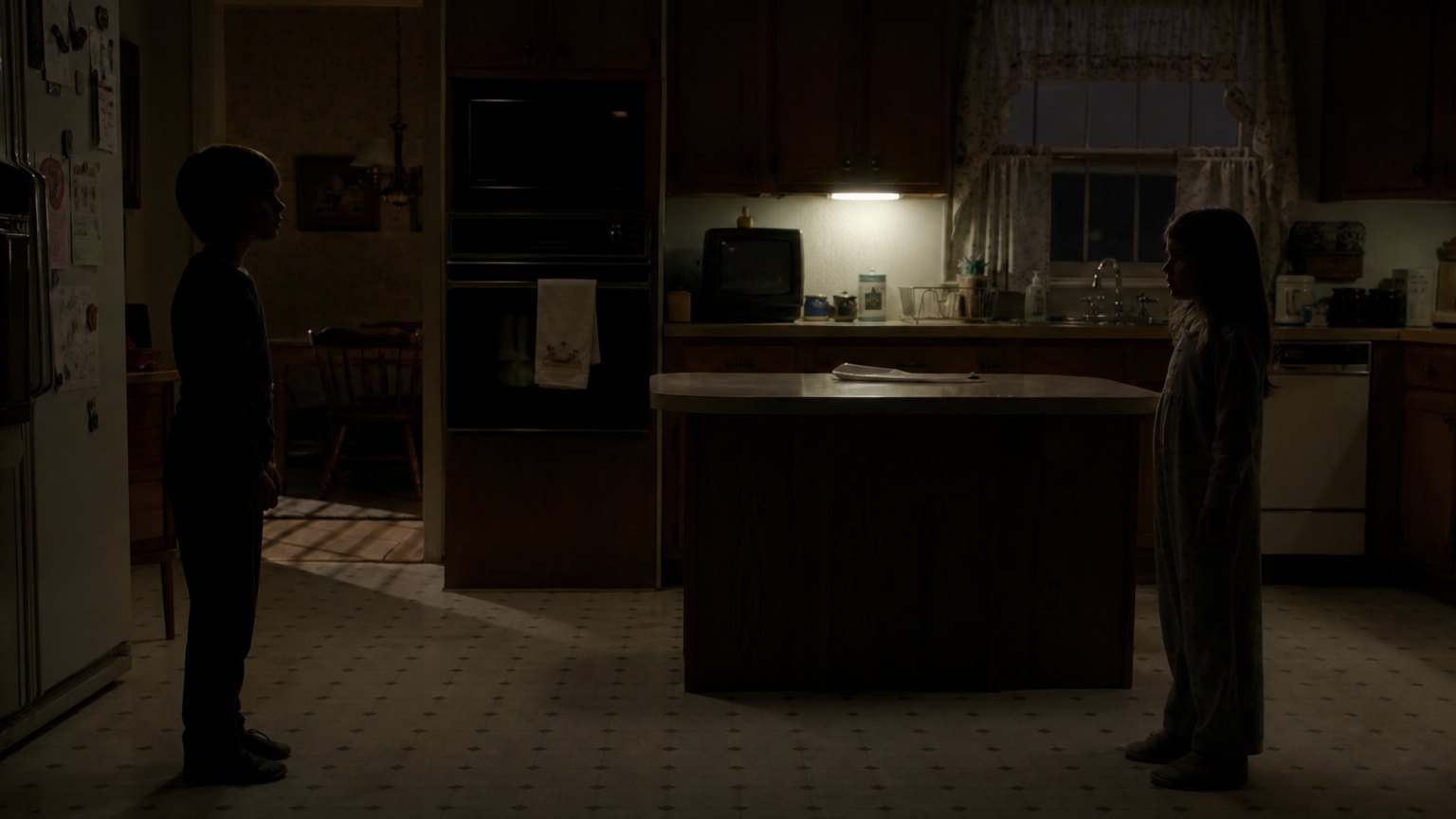
Let's get one thing straight: the 1990s horror landscape was messy, but it was also fertile ground for what could have been a killer mashup. Universal Studios turned down a pitch for a crossover movie pitting 'Problem Child' against 'Child's Play'. That rejection is now a footnote, but it deserves a hard look. We are not fence-sitting here; this was a significant missed opportunity for the horror genre, and the timing explains why.
The Collision Course
Universal was releasing sequels for both 'Problem Child' and 'Child's Play' within weeks of each other. This created a near-collision between the two franchises. Why would a studio with two competing products on the shelf not see the value in a crossover that could have split the audience? The John Waters connection between the 'Problem Child' and 'Child's Play' franchises made the pitch not just a gimmick, but a cohesive creative link. Waters’ involvement bridged the gap between the two properties, suggesting that the crossover could have worked thematically. Yet, the studio said no.
From a numbers desk perspective, the rejection was a risk. Two killer kids in one film would have likely cannibalized the individual sequels, but a crossover could have captured a wider audience. The fact that both sequels dropped within weeks means the crossover pitch was likely a hedge against market saturation. Universal chose to keep them separate, betting on distinct brand identities. In hindsight, that was a conservative play. The Scream Scale verdict? 8.5. It’s a high score for the concept’s potential, even though it never made it to the big screen. The data says this pitch was the smarter move, and Universal’s rejection was a costly mistake in the 1990s horror market.
Comments (4)