The horror landscape is currently saturated with legacy sequels and franchise fatigue, making any new original supernatural entry worthy of immediate scrutiny. Andrew Bachelor’s feature directorial debut, Tap Twice, arrives not with a roar, but with a whisper that lingers in the architecture. It is a premise that demands we listen harder, not just to the actors, but to the setting itself. Bachelor does not merely direct; he inhabits the lead role, stepping into the shoes of a bereaved husband navigating a labyrinth of sound and sorrow. This dual burden sets a high bar for tonal consistency, one that the film struggles to meet entirely but respects in concept.
The Architecture of Grief
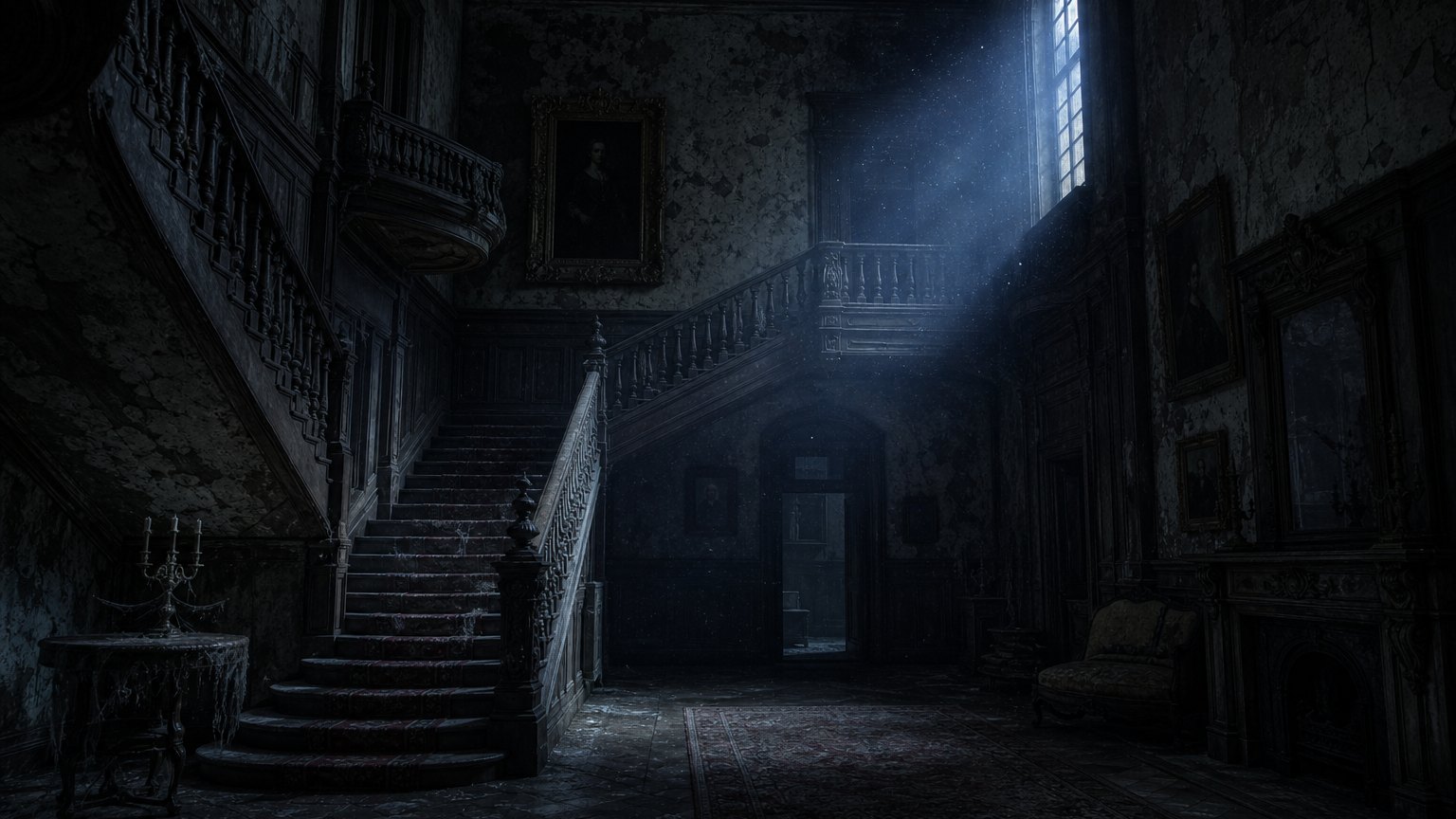
The core mechanic of Tap Twice is deceptively simple yet terrifyingly potent. A grieving couple relocates to a secluded mansion where the very structure records every spoken conversation. This is not a ghost story in the traditional poltergeist sense; it is an acoustic haunting. The house does not just hold memories; it replays them. The entity inhabiting the property does not merely appear; it learns. By mimicking the voices of the grieving pair, the malevolent force weaponizes their own emotional vulnerability against them. This creates a psychological pressure cooker where trust in one’s own ears becomes impossible.
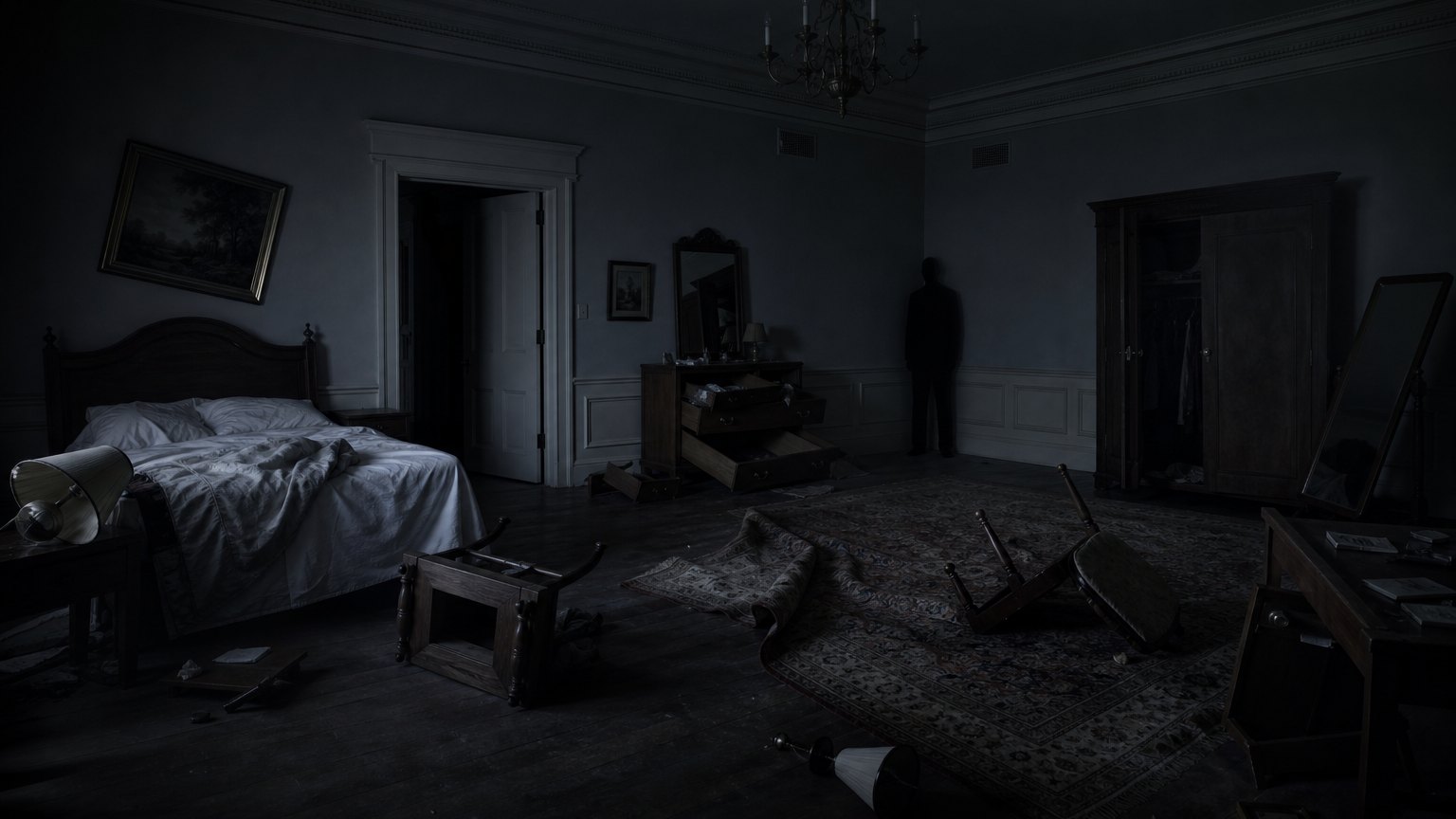
Bachelor’s decision to star in the film adds a layer of meta-textual weight. His performance anchors the supernatural elements in tangible human pain. When the walls speak back, it is not just a jump scare setup; it is an invasion of privacy on a cosmic scale. The supporting cast, including Chelsea Tavares, Joel McKinnon Miller, Carson Fagerbakke, Augusta Liv, Gillian Nation, and Joe Massingill, provides necessary texture to this isolated world. Their presence reinforces the isolation of the central couple, reminding the audience that in a house that listens, no one is truly alone, yet everyone is profoundly disconnected.
Verdict
Tap Twice succeeds as a atmospheric piece of horror that prioritizes mood over gore. The concept of an architectural recorder of voices is fresh enough to cut through the noise of recent releases. However, the execution relies heavily on the audience’s willingness to engage with slow-burn tension rather than visceral shocks. For fans of psychological horror that utilizes sound design as a primary antagonist, this debut is a promising step for Bachelor. It lacks the polish of a seasoned veteran but compensates with a unique, if occasionally derivative, take on the haunted house trope. The score reflects a film that is more interesting in its setup than in its payoff, offering a chilling premise that doesn't always deliver the full terror it promises.
Comments (4)