Let’s cut the nostalgia bait. The 1985 Stuart Gordon classic, starring Jeffrey Combs, remains the gold standard for Lovecraftian adaptation precisely because it embraced absurdity and gore with a wink. A contemporary reboot feels less like an homage and more like a corporate necessity to keep the brand alive. However, the creative team behind this new iteration, directed by Michael Grossman, seems to understand that modern audiences crave psychological depth over cartoonish violence. This isn't just about reanimating corpses; it’s about the rot of obsession.
The Clinical Approach to Madness
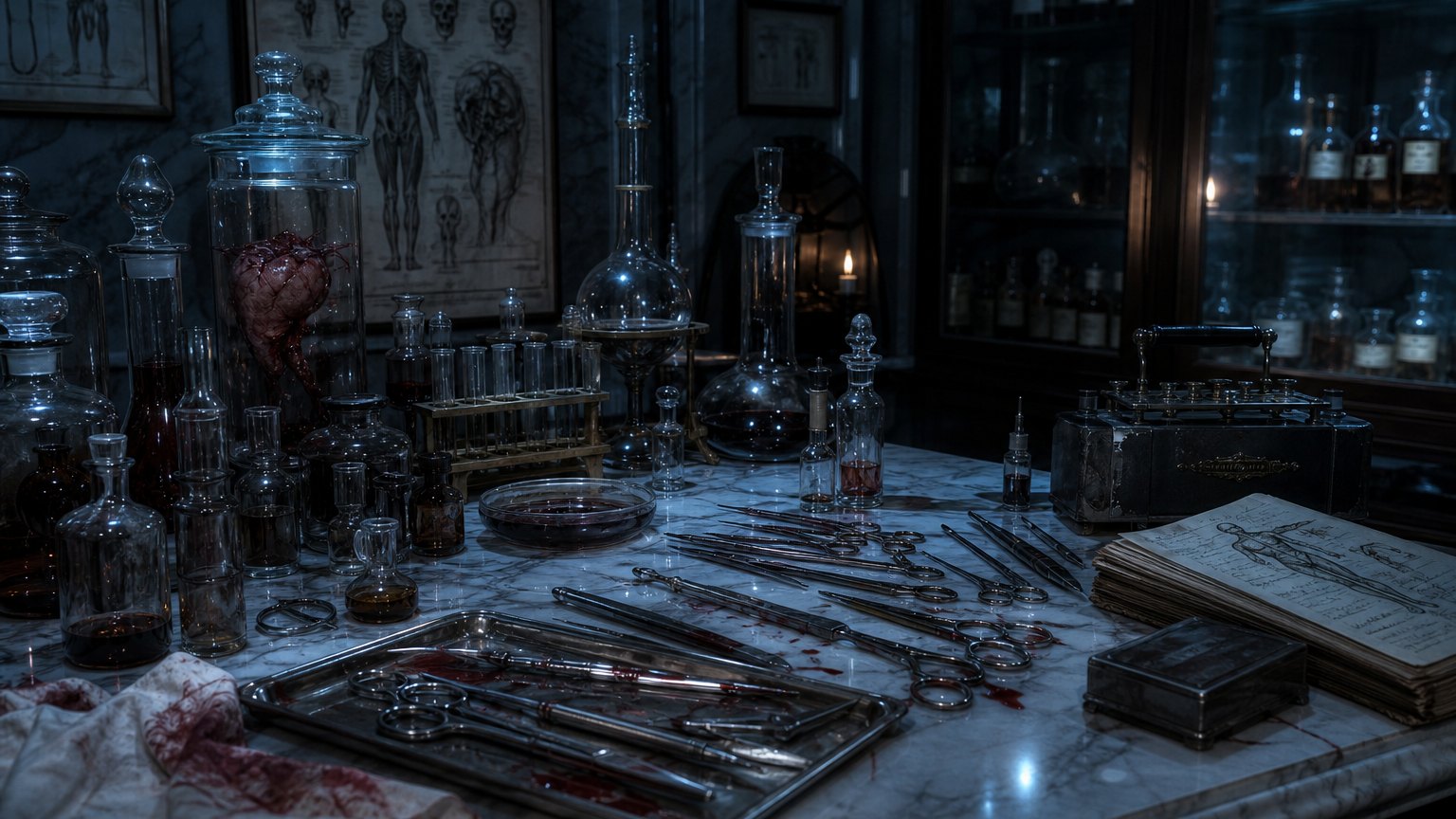
Joseph Morgan, fresh from the supernatural dramas of The Vampire Diaries and The Originals, brings a chillingly restrained energy to Herbert West. He is not a mad scientist cackling in a lab; he is a brilliant, secretive surgeon haunted by a childhood trauma where his father reanimated West’s mother, resulting in a violent tragedy. This backstory grounds the character in a tangible psychological wound. West’s thirty-year pursuit of immortality is not born of greed, but of a desperate, scarred need to control death itself. Morgan’s performance suggests a man who is less interested in life and more interested in the mechanics of stopping decay.
Opposing him is Katie Cassidy as Kate Locke, a pathologist with a troubled past. Her arc is the film’s structural backbone. Drawn into West’s orbit, she moves into his mansion to collaborate, driven by her own hidden darkness and fascination with the serum. This dynamic shifts the genre from pure body horror to a twisted psychological thriller. The screenplay by Jade Sandberg Wallis wisely skips the initial cadaver failures to focus on the grim realization that fresh tissue is required. It’s a darker, more visceral pivot that raises the stakes significantly.
Production Values vs. Soul
Produced by Jeff and Roger Lewis of Woodlake Entertainment, the project benefits from Jeff Lewis’s background as a makeup artist. In a franchise defined by its practical effects, this pedigree is crucial. The production in Alton, Illinois, adds a specific, grounded texture to the Miskatonic University lore. While the supporting cast, including Scott Aiello and Ira J Amyx, fills out the ensemble, the film’s success hinges entirely on whether the clinical atmosphere suffocates the narrative. Lovecraft’s 1922 short story introduced the fictional university with a sense of cosmic dread. This adaptation attempts to localize that dread into domestic horror. It’s a risky pivot, but one that might finally give Herbert West the modern relevance his original iteration lacked. The verdict? It’s a competent, stylish entry that lacks the chaotic joy of the original, but offers a compelling, if cold, new perspective on the serum.
Comments (4)