
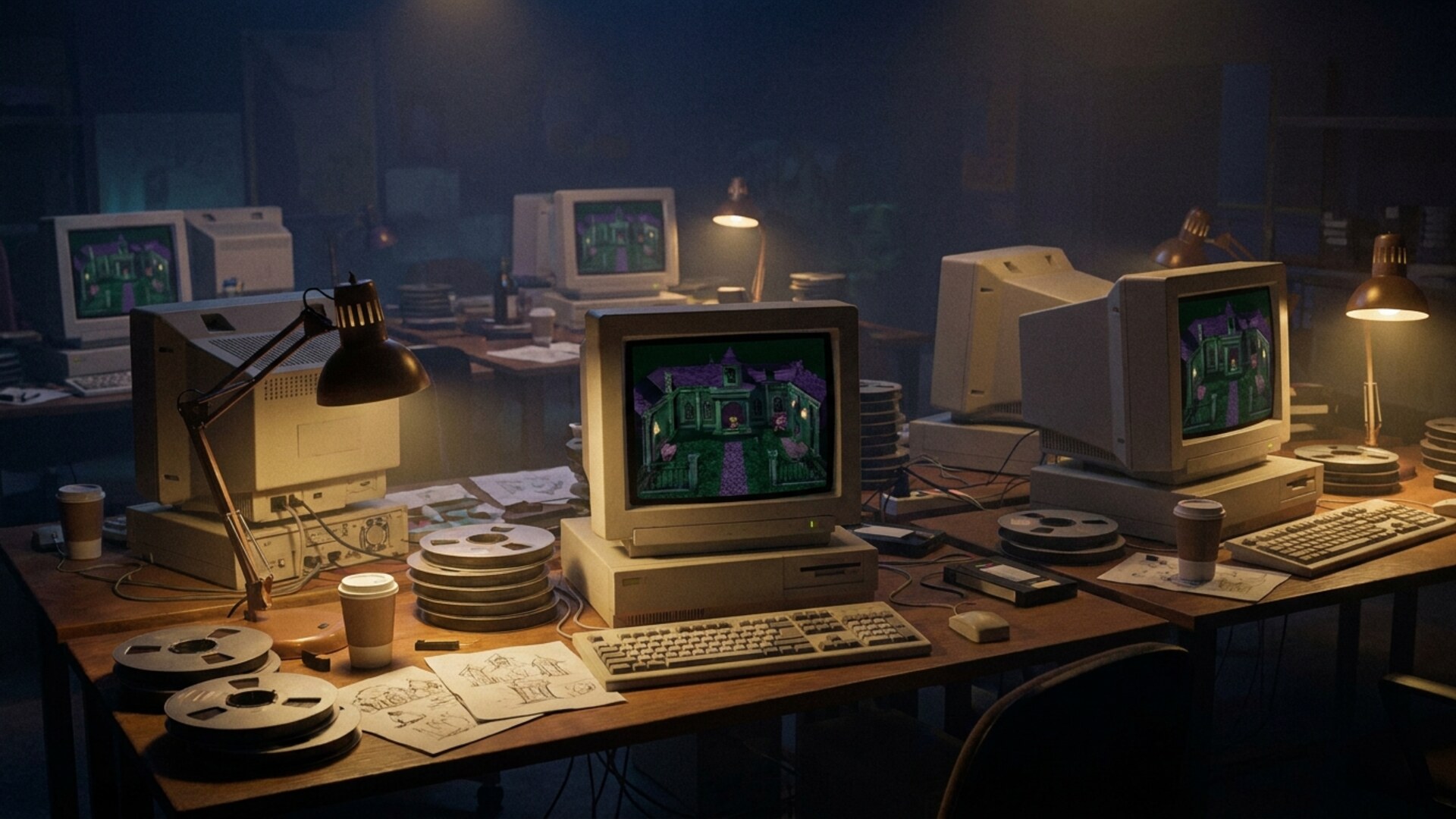
Horror isn't just about jump scares; it is about the erosion of reality. When we look at the data points of gaming history, few entries scream with the visceral panic of 'D'. Released in 1995 by the studio Warp under the direction of Kenji Eno, this title wasn't merely a game; it was a cinematic experience disguised as software. It demands our attention not for nostalgia, but because it fundamentally altered how we perceive tension in interactive media.
The Architecture of Fear
Eno’s vision was clear: strip away the player's agency until only survival remains. The narrative follows Laura Harris, a protagonist who finds herself trapped in a cycle of violence and escape. Unlike modern horror games that hand you a flashlight and a map, 'D' forces you to piece together the horror through fragmented video sequences and brutal quick-time events. Laura Harris is not a hero; she is a victim of circumstance, and the game weaponizes that helplessness against the player.
From a production standpoint, the effort was massive. Acclaim Entertainment handled the publication for Saturn, PlayStation 1, and MS-DOS, bringing this analog terror to the Western masses. In Japan, San-Ei Shobo Publishing took the reins for the 3DO, while Panasonic published the 3DO version in North America. This multi-platform rollout was unprecedented for a horror title of its kind, signaling that the market was ready for something more intense than standard text adventures.
The Verdict
Why does this matter today? Because 'D' understood that fear is physical. The button prompts weren't just mechanics; they were physiological triggers. Your heart rate spikes not because you see a ghost, but because you are physically forced to react under time pressure. Eno directed this with a cold, analytical precision that mirrors the best psychological thrillers. The graphics may be dated, but the psychological framework is pristine.
We are assigning this a score of 8.2 on the Scream Scale. It loses points for technical limitations inherent to 1995 hardware and pacing issues that feel uneven by today’s standards. However, it gains massive points for innovation and sheer audacity. 'D' didn't just tell a story; it made you live it. In an era of polished, sanitized horror experiences, Warp’s creation remains a raw, bleeding wound of creativity. It is flawed, yes, but it is undeniably effective. If you want to understand the roots of modern psychological horror, you don't look at the shiny new releases. You look back at the chaos of 'D'.



Comments (36)