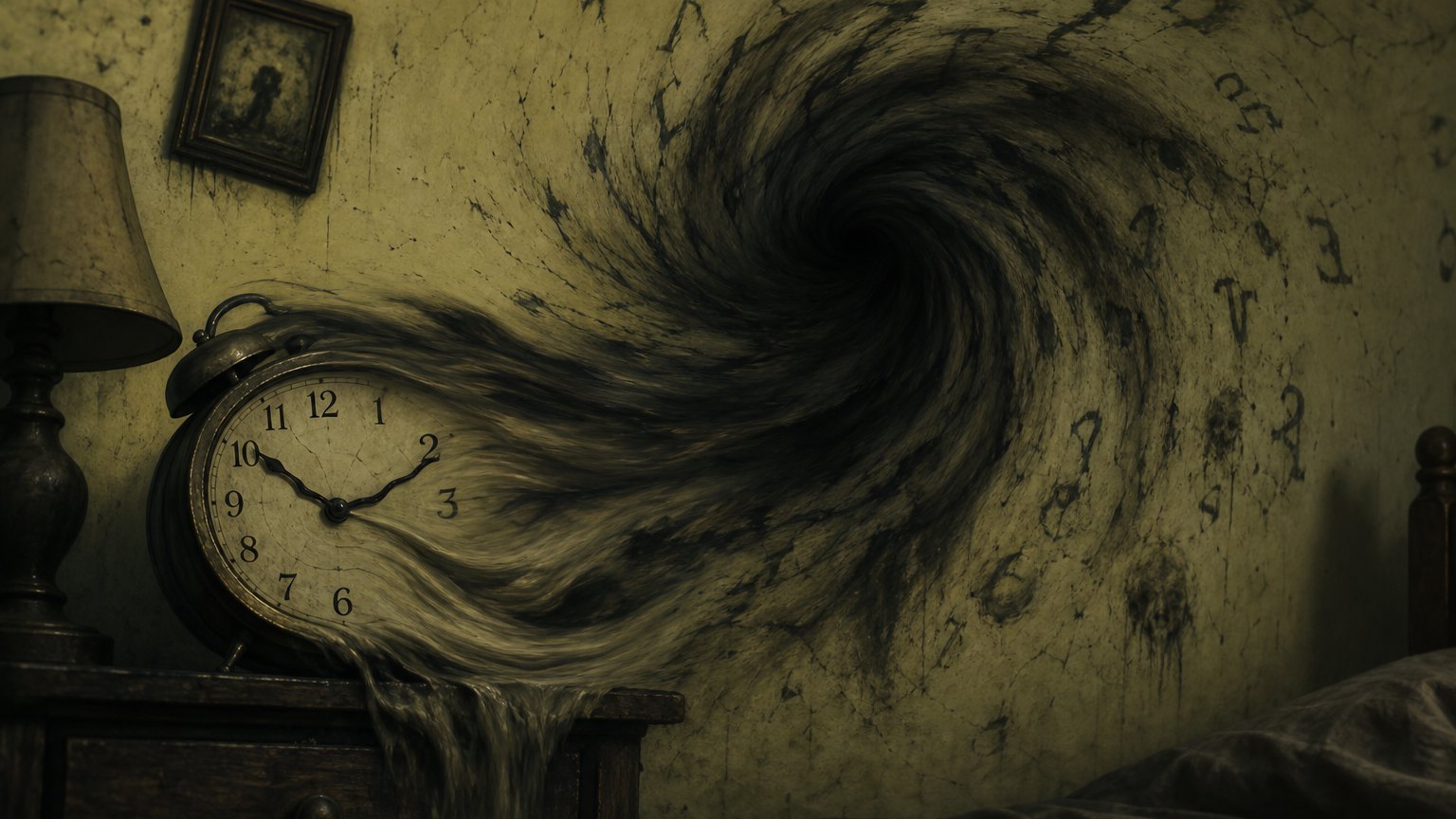
The horror landscape is saturated with supernatural entities invading our most vulnerable states. When Shudder acquired distribution rights for James Ross II’s Parasomnia ahead of its Overlook Film Festival premiere earlier in 2026, we braced ourselves for another generic nightmare retread. The premise is familiar: Riley, played by Jasmine Mathews, suffers from severe night terrors and unresolved trauma, only to suspect a demonic entity has crossed over after her best friend vanishes. With a cast including RJ Brown, Sally Stewart, and Simon Longnight, the production aims for high stakes, but the real question is whether Ross II can deliver on his promise of immersive psychological horror without collapsing under the weight of his own influences.
The Craven Shadow and the Sleep Paralysis Trap
Ross II explicitly cites Wes Craven’s A Nightmare on Elm Street as a primary inspiration. While nostalgia is a powerful tool in horror, it is also a dangerous crutch. The director describes his intent as making mundane, involuntary experiences like sleeping terrifying. That is a noble goal, certainly. However, transforming the universal fear of nightmares into fresh cinematic language requires more than just atmospheric dread; it demands a unique narrative voice. Parasomnia attempts to walk this tightrope, aiming for a psychological experience rather than a direct retread of previous genre classics. Whether it succeeds depends entirely on execution over inspiration.
The Verdict on the September Premiere
With the official trailer showcasing nightmare fuel and supernatural elements, Shudder has a marketing package ready for its exclusive September 4, 2026, streaming debut. The visual promise is there, but does the substance match the hype? For a feature debut, Ross II shows competence, but the film struggles to escape the gravitational pull of the giants it emulates. It is not bad, but it is not essential. It occupies the crowded middle ground of streaming horror—watchable, occasionally effective, but unlikely to be revisited once the credits roll. The data suggests that audiences are increasingly fatigued by sleep-paralysis tropes unless they are subverted with radical originality. Parasomnia plays it relatively safe, relying on established scares rather than innovating the genre. It is a competent entry, but it fails to distinguish itself in a market drowning in similar releases. We give it a 6.4 on the Scream Scale. It will keep you up at night, but not for the right reasons.
Comments (4)