DC Studios is finally stepping out of the superhero shadow and into the dark corners of the genre that actually prints money. With Clayface, the studio isn't just dipping a toe into horror; they are building a strategic counterweight to recent high-budget studio failures by leveraging a lower production budget and the current commercial dominance of the horror genre. This is not a gimmick. This is a calculated pivot to the demographic that keeps theaters alive when blockbusters bomb.
The Descent Begins
At the center of this psychological and physical descent is Tom Rhys Harries, portraying a Hollywood actor whose life unravels into a revenge-fueled monstrosity. The narrative explores themes of identity loss, toxic relationships, and the dangers of scientific hubris—a classic setup that allows for both cerebral dread and visceral gore. It is a smart choice for a character who has historically been a B-list threat in the DC universe, repurposed here as a vessel for body horror.
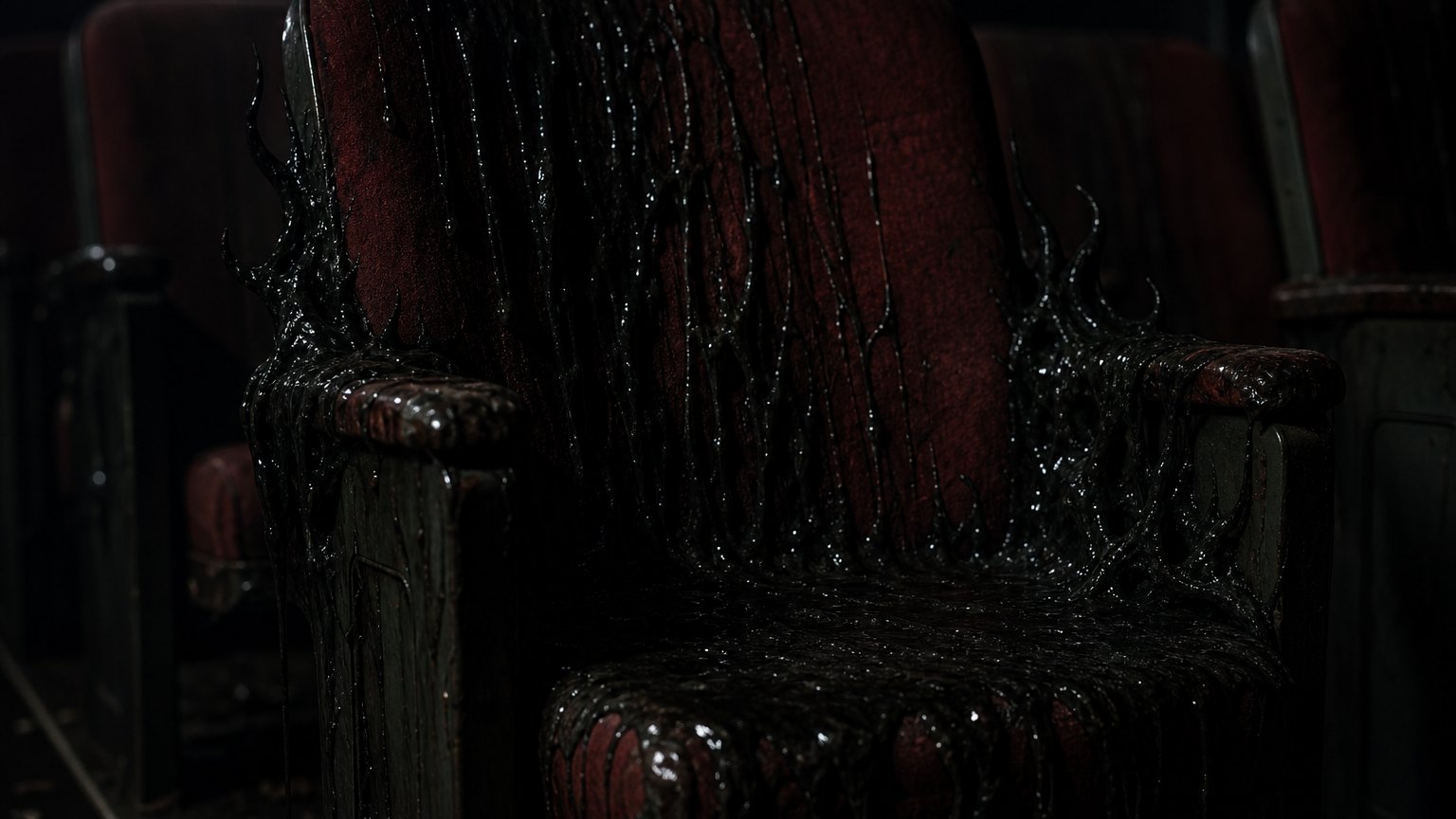
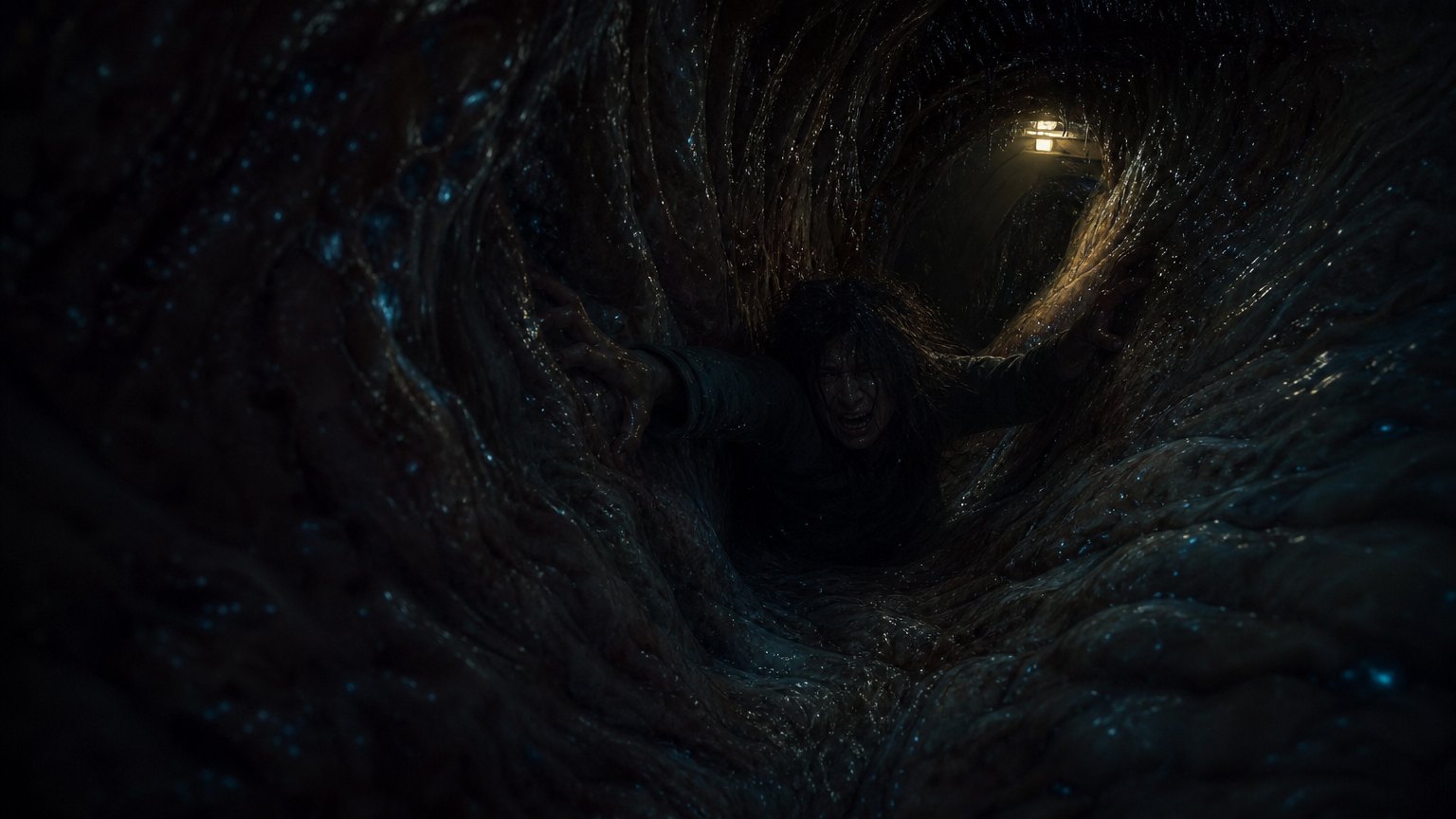
Director James Watkins marks DC Studios' first official entry into the horror genre, a move that carries significant weight. He is not alone in this endeavor; the screenplay is a collaboration between horror auteur Mike Flanagan and writer Hossein Amini. The combination of Watkins’ kinetic energy and Flanagan’s ability to weave character trauma with supernatural terror suggests a film that prioritizes atmosphere over spectacle. Recent stills published by Entertainment Weekly emphasize its R-rated body horror elements, hinting at a tactile, grotesque aesthetic that promises to disturb rather than just shock.
The Marketing Gamble
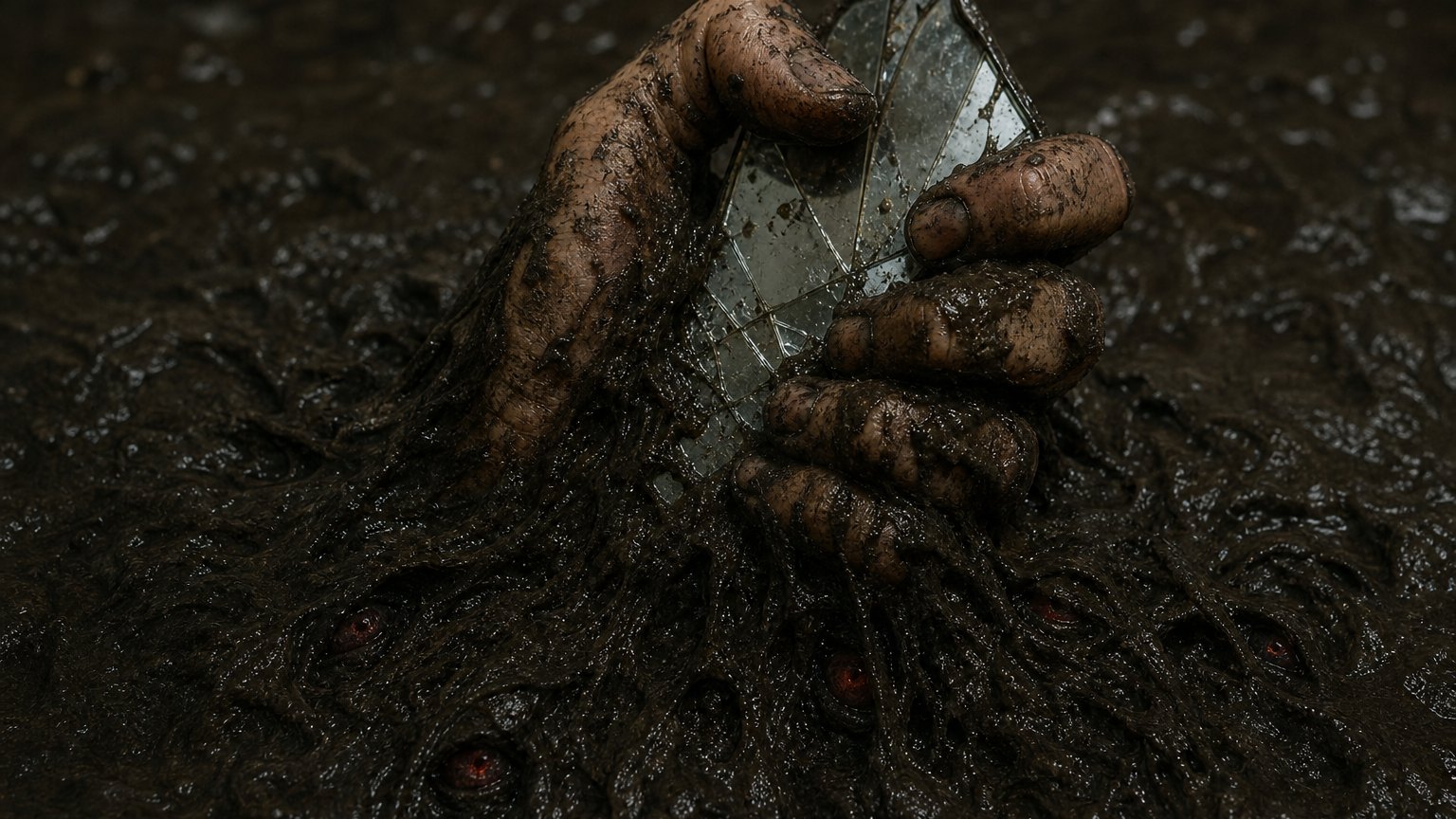
The most intriguing aspect of this release strategy is the deliberate withholding of the final transformation. Director James Watkins has confirmed that the complete, terrifying final form of the title character will remain unseen in all marketing materials. This is a bold, almost arrogant decision in an era where every trailer gives away the third-act climax. By keeping the full visual reveal hidden until the theatrical release on October 23, 2026, DC is banking on curiosity and the collective anticipation of the Halloween season. They are capitalizing on the genre's peak profitability by making the unknown the selling point.
However, this strategy carries risk. Horror audiences are fickle. If the buildup feels like a tease rather than a promise, the word-of-mouth can turn toxic before opening weekend. Yet, given the current landscape, where audiences are craving genuine scares over CGI-heavy superhero brawls, Clayface has the potential to be a sleeper hit. It is a low-risk, high-reward play that could redefine DC’s summer slate.
The Verdict
While we await the film’s release, the components are promising. A grounded R-rated tone, a star committed to physical transformation, and a creative team that understands the mechanics of fear. The fact that DC is willing to let a monster remain unseen for nearly two years of marketing is a testament to their confidence in the experience. If the film delivers on the promise of its psychological depth and visual horror, it could be the breakthrough hit the studio needs. If it falters, it will be a cautionary tale about trusting horror tropes over comic book legacy.
Comments (4)