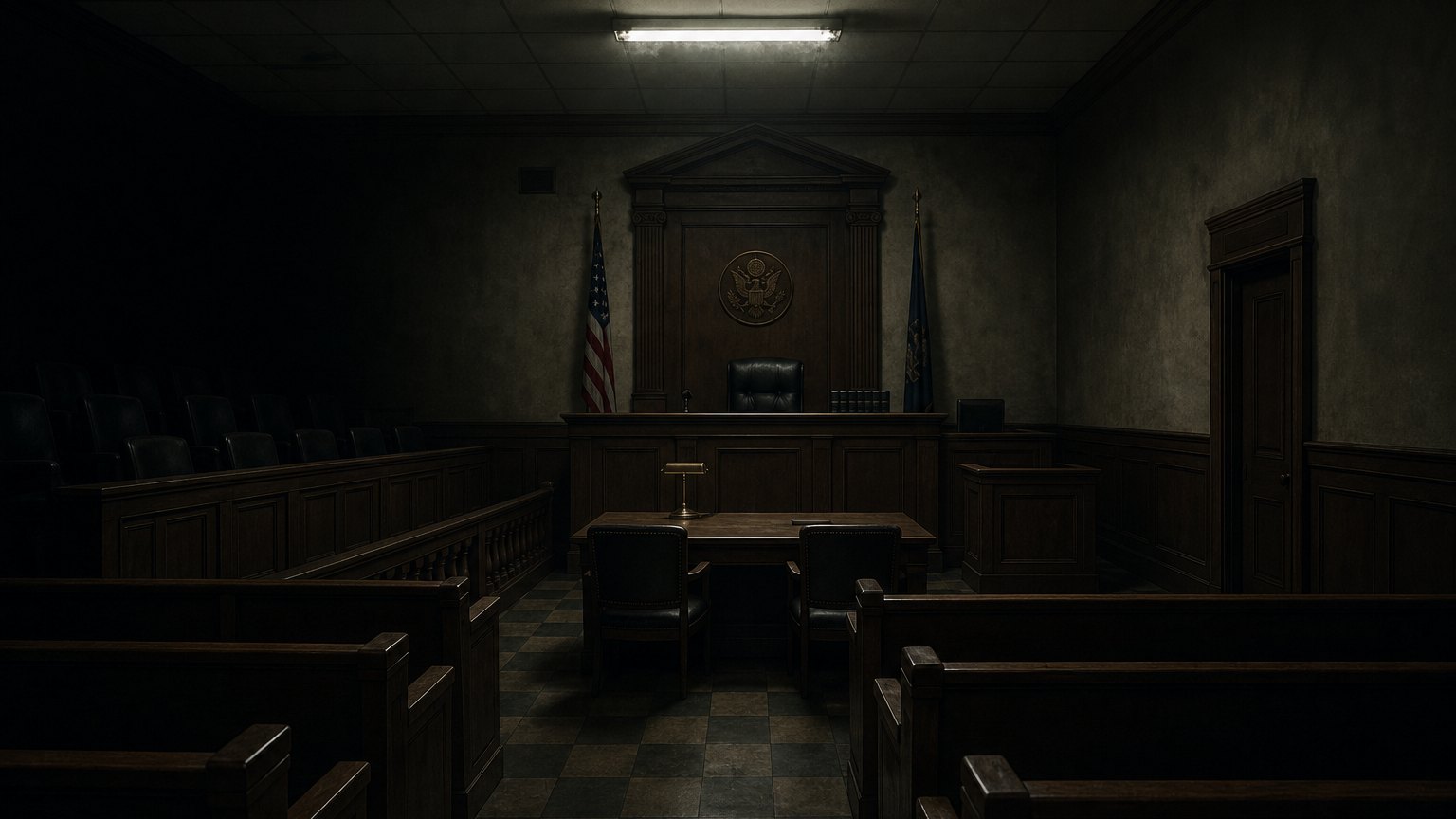
The horror genre often relies on the slow burn of dread, but the Lindsay Clancy trial delivers a different kind of chill: the paralysis of uncertainty. With the jury deadlocked after closing arguments in Plymouth Superior Court, the case has become a live horror film where the ending is withheld from the audience. We at Scream Report treat this not just as a legal proceeding, but as a narrative structure that demands a score. The tension here is the highest form of cinematic horror—the unknown.
The Score: 8.2
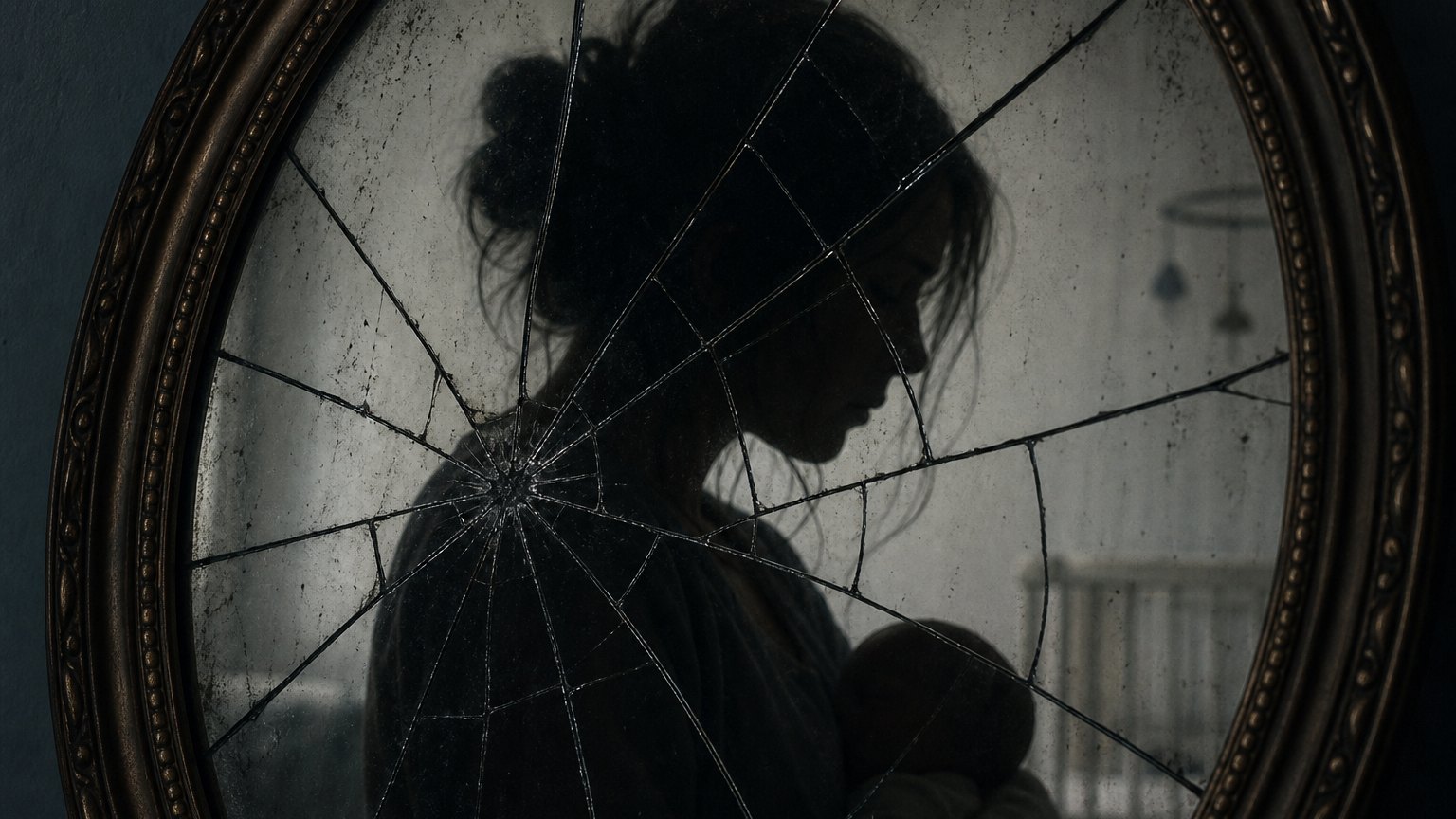
Why 8.2? Because the story arc is complete in its setup: three children, one mother, a devastating act of mercy or madness. The defense’s claim of postpartum mental illness, formally termed 'lack of criminal responsibility' in Massachusetts, adds a layer of psychological horror that resonates with any viewer who has seen a protagonist lose grip on reality. The deadlock is the third act’s cliffhanger, keeping the audience on edge.
The Numbers of Doubt
While this is a trial, not a box office release, the 'score' reflects narrative tension. A deadlocked jury is the equivalent of a film that refuses to resolve, leaving the viewer in a state of suspended animation. In horror, suspension is the core of the genre’s power. Clancy’s admission to the killings of Cora, Dawson, and Callan provides the inciting incident; the defense provides the twist; the deadlock provides the final, unresolved frame. It is a masterclass in sustained dread.
Comments (4)