Streaming algorithms prioritize convenience, but they often bury the films that actually deserve to be watched. Michael Patrick Jann’s Alma & the Wolf has landed on Pluto TV, and while it lacks the marketing budget of a studio tentpole, it possesses a visceral, unsettling potency that mainstream horror has largely abandoned. This is not a film for the background. It is a deliberate, grinding descent into psychological decay that forces the viewer to confront the uncomfortable architecture of guilt.
The Atmosphere is the Antagonist
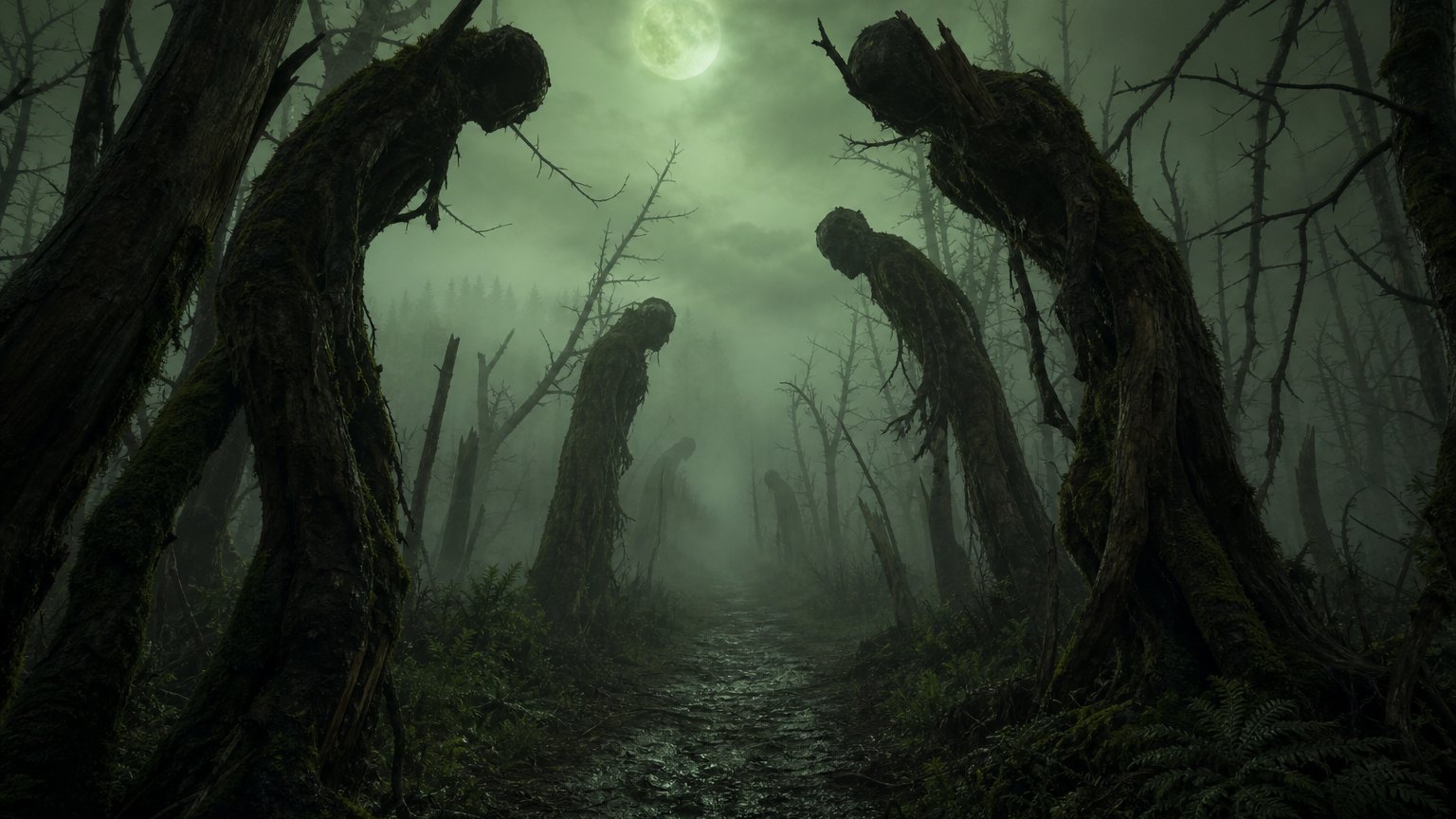
The narrative centers on Ethan Embry, who plays a traumatized father searching for his missing son in a moody Oregon wilderness. The setting is a character in itself: a mysterious small town populated by eccentric residents who feel less like neighbors and more like manifestations of a collective madness. Reviewers have correctly noted the blend of folk, psychological, and body horror elements, but the true strength of the film lies in its refusal to explain itself too clearly. It draws direct comparisons to Silent Hill 2 and Twin Peaks, and for good reason. The atmosphere is thick with dread, where the mundane twists into the grotesque without warning.
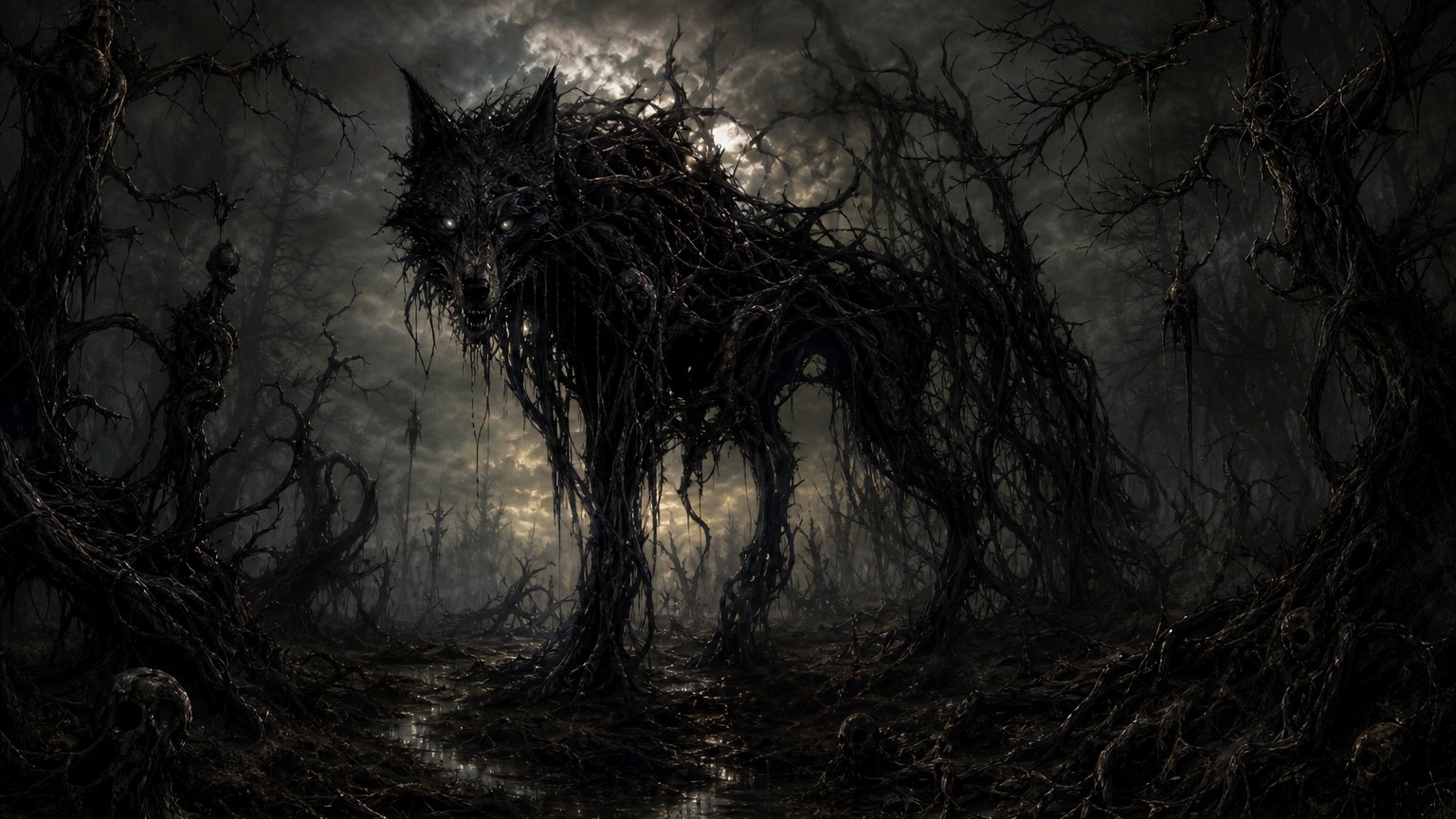
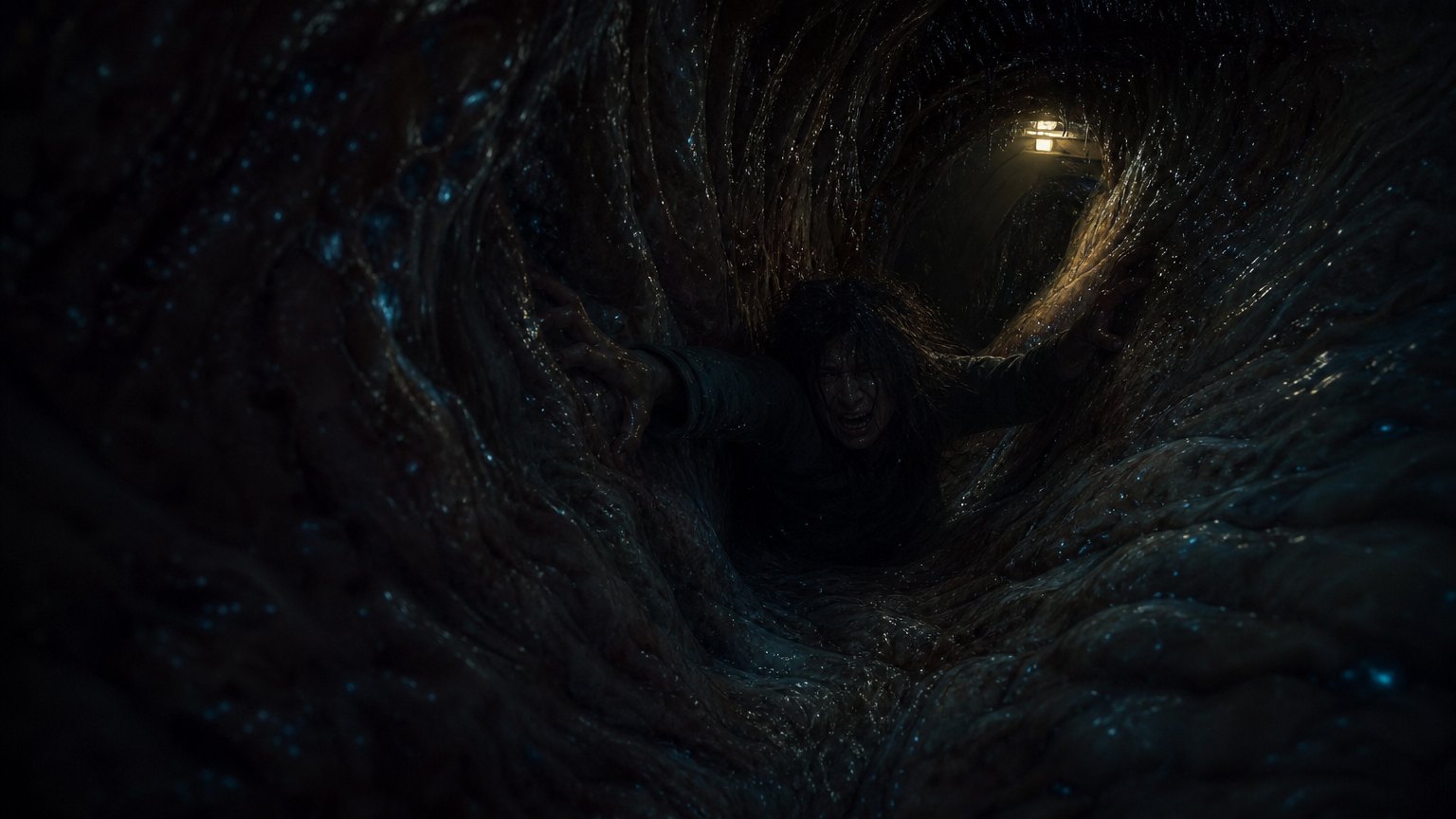
However, the film’s most distinct influence appears in its final act, which echoes the monster encounters of Alan Wake. This is not a compliment to its gameplay mechanics, but to its surreal, nightmarish logic. The story explores themes of morality and the psychological deterioration that occurs when one confronts the narratives sustaining their life. It is inspired by the process of going mad under such pressure, rather than a direct adaptation of any single source material. This approach allows Jann to subvert genre conventions, as highlighted by early praise from the Boston Underground Film Festival.
Why It Scores a 7.4
The score of 7.4 reflects a film that is ambitious but occasionally uneven in its execution. The finale features bizarre imagery and nightmare logic that critics suggest requires viewing until the very end for full comprehension. This is a bold choice. Some viewers may find the lack of explicit resolution frustrating, but it is a necessary component of the film’s thesis on guilt and perception. The horror here is not just about the monster; it is about the mind breaking under the weight of its own secrets.
While it does not reach the heights of classic horror cinema, Alma & the Wolf is a compelling, if challenging, addition to the indie horror landscape. It proves that you do not need a massive budget to create fear, only a willingness to explore the darker corners of the human psyche. For those willing to sit with the discomfort, the payoff is significant. The film is available now on Pluto TV, and it is worth the time it takes to unravel its mysteries.
Comments (4)