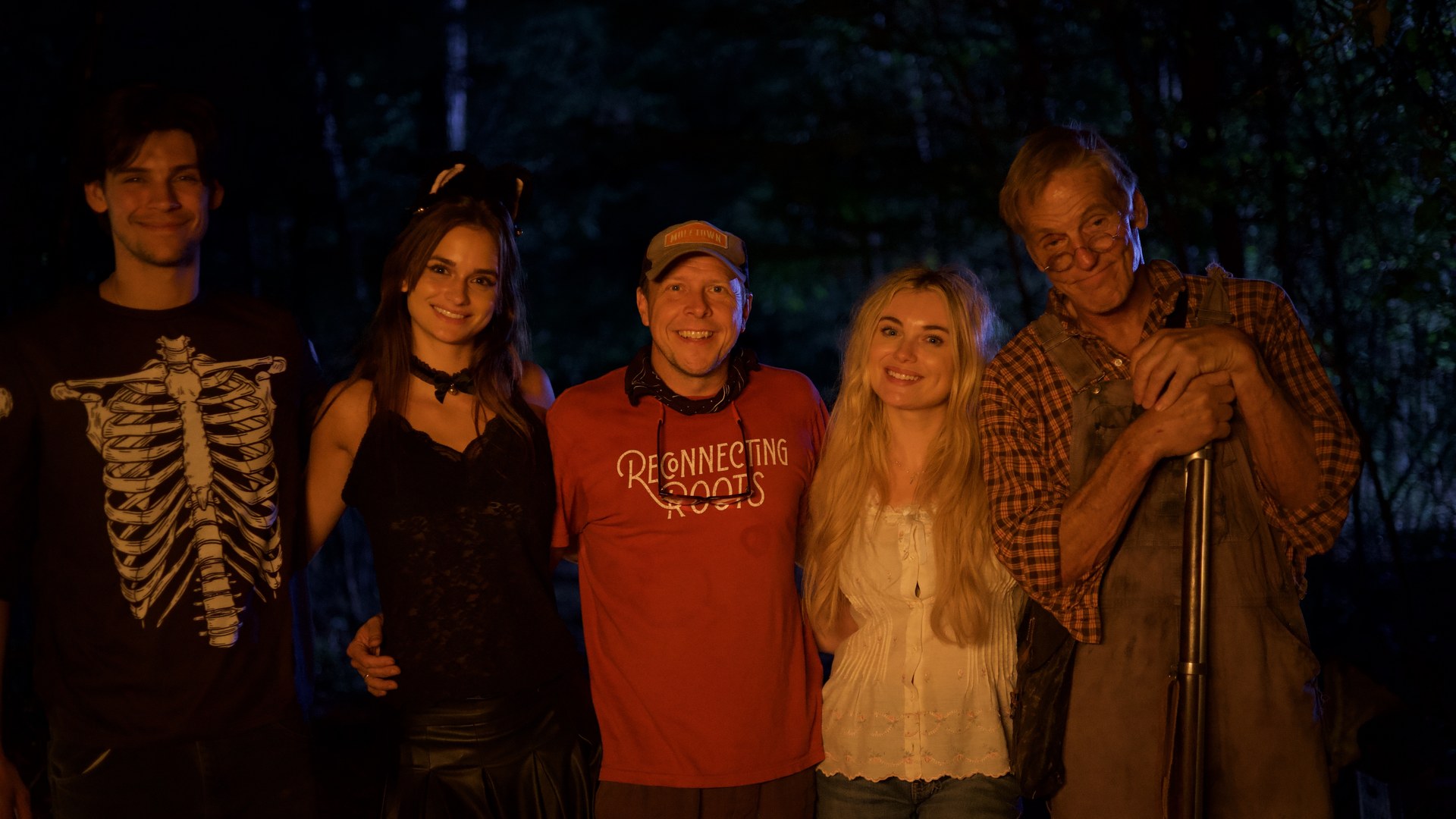
Principal photography on “Ravenmocker” has wrapped. Post-production is underway. There is no announced release date, and we won’t guess. Be clear what this piece is: not a review. Nobody outside the production has seen a frame of cut footage. This is a production-stock check, the same instrument used in July, applied to what the set actually produced.
In July, Scream Report scored the “Ravenmocker” announcement an 8.7. Today that moves to 8.9 — a small, deliberate nudge. We don’t inflate a score because a shoot wrapped on schedule; that’s expected. We move it because the reports off set describe harder choices than the premise required, and harder choices are the signal we track.
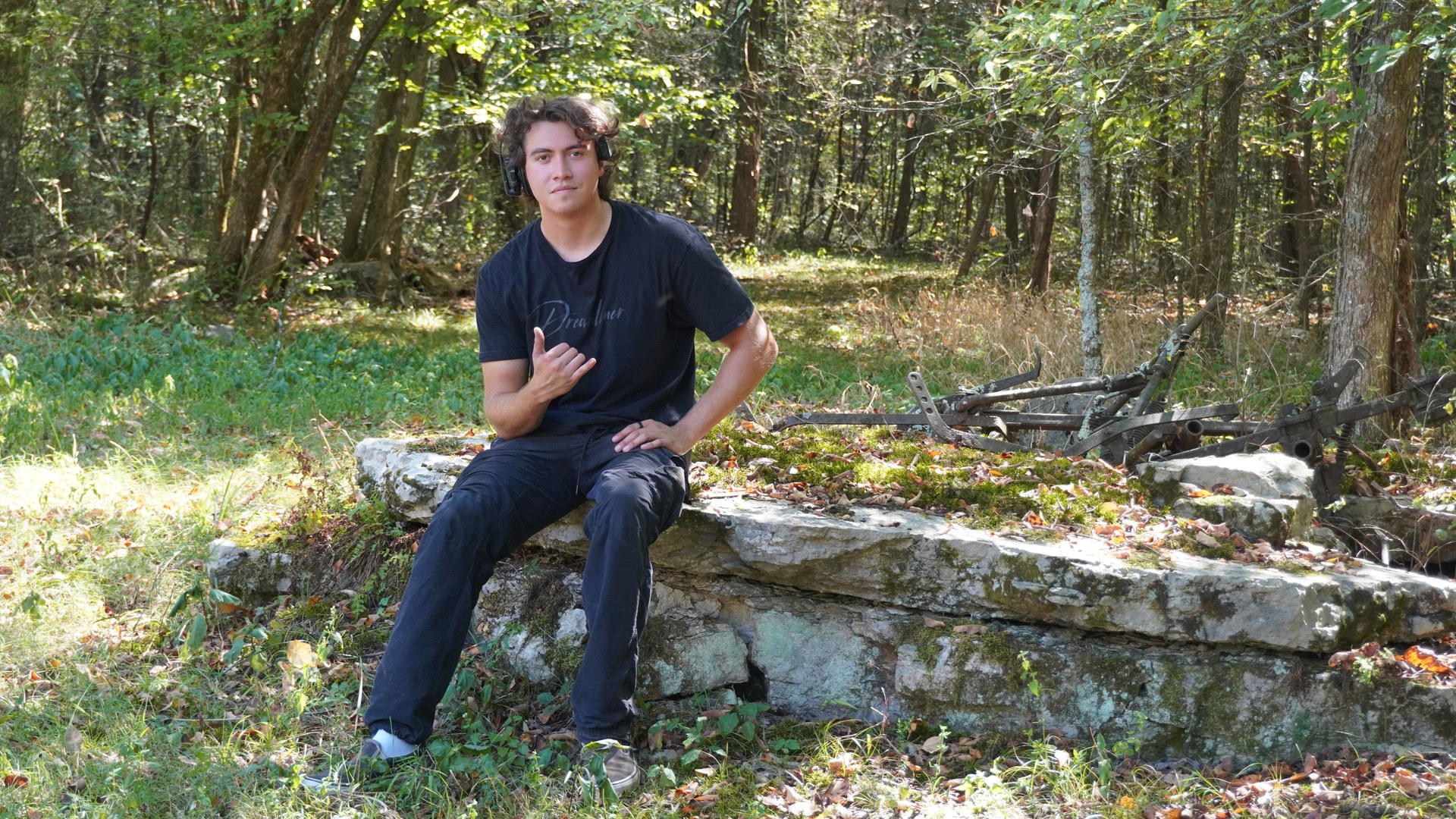
The premise remains the draw: a 20-episode Micro Horror™ series for Screamify, shot vertically, roughly two minutes per episode, every episode ending on a cliffhanger. Set in 1971, a carload of teenagers breaks down on a rural Tennessee backroad and crosses into the hunting ground of the Ravenmocker, the heart-stealing witch of Cherokee folklore, bound to the land by a Civil War love story that ended in blood — the story moves between the 1860s and 1971. Written by John White, directed by Gabe McCauley.
The pedigree is real. “Ravenmocker” is produced by Soul Feather Studios, the two-time National Daytime Emmy-winning Nashville company behind PBS’s “Reconnecting Roots,” winner of two 2024 Daytime Emmys including Outstanding Writing Team. Joel McAfee produces. Laryssa Goodlad executive produces for Screamify and Oh Gosh Yeah Entertainment, LLC, alongside slate mates “Autonomous” and “Game Night: Survive the Night.”
The strongest evidence for the bump is practical. Special-effects makeup artist Jazlyn Adams, who also appears on camera, built the episode’s centerpiece prop herself: “I sculpted it, molded it, cast it in silicone. The end goal is to core it out so it’ll beat. And bleed.” That’s in-camera work, not a fix promised for post.
The crew is candid about the cost. Director of photography Chris Haggerty: “The ask of crews is to still bring quality, but in half the time and half the budget. That’s the reality the industry is in right now.” On the format: “The problem with vertical is over-the-shoulders. You have to stack people that close together.” Grip Joseph Machosky, on one location’s power problem: “We’re shooting in a barn that has no power. That challenge falls on the grips — find a power source, figure out how to light the scene.”
The cast does its own craft work too. Director Gabe McCauley, on the 1860s timeline’s period wool: “Those Civil War outfits are three pounds of wool. And it’s going to be 95 today. So I’m looking forward to it.” Darby Cappillino, as Grace / Young Antoinette, performs “Lorena,” a Civil War-era song published in 1857, live on camera: “I’ve been screaming the past three days, so my voice is a little raspy. Hopefully I can get all the notes.”
Here’s the honest half: none of this guarantees the finished product. A 20-episode vertical series lives or dies in the edit, and a cliffhanger every two minutes is a brutal rhythm to sustain without curdling into gimmick. Practical effects and Emmy pedigree buy credibility on a stock check; they don’t buy pacing, and pacing is the whole game in a two-minute format. 8.9 is a bet on inputs, not a verdict on output. The set did its job. Now it’s on the cut.

Comments (4)