
There is a specific, intoxicating brand of cinema that only works on the big screen. It is the kind of film that relies on sensory overload, visceral gore, and the collective gasp of an audience witnessing raw human descent. Nicolas Cage’s upcoming vehicle, Parish, positioned as a post-nuclear cannibal survival thriller, fits this mold with aggressive precision. Director Adam Sigal, whose previous work includes the quirky Nandor Fodor and the Talking Mongoose, is pivoting hard into grit here, and the results look promisingly savage.
The Setup: Fortress of Solitude, Fortified
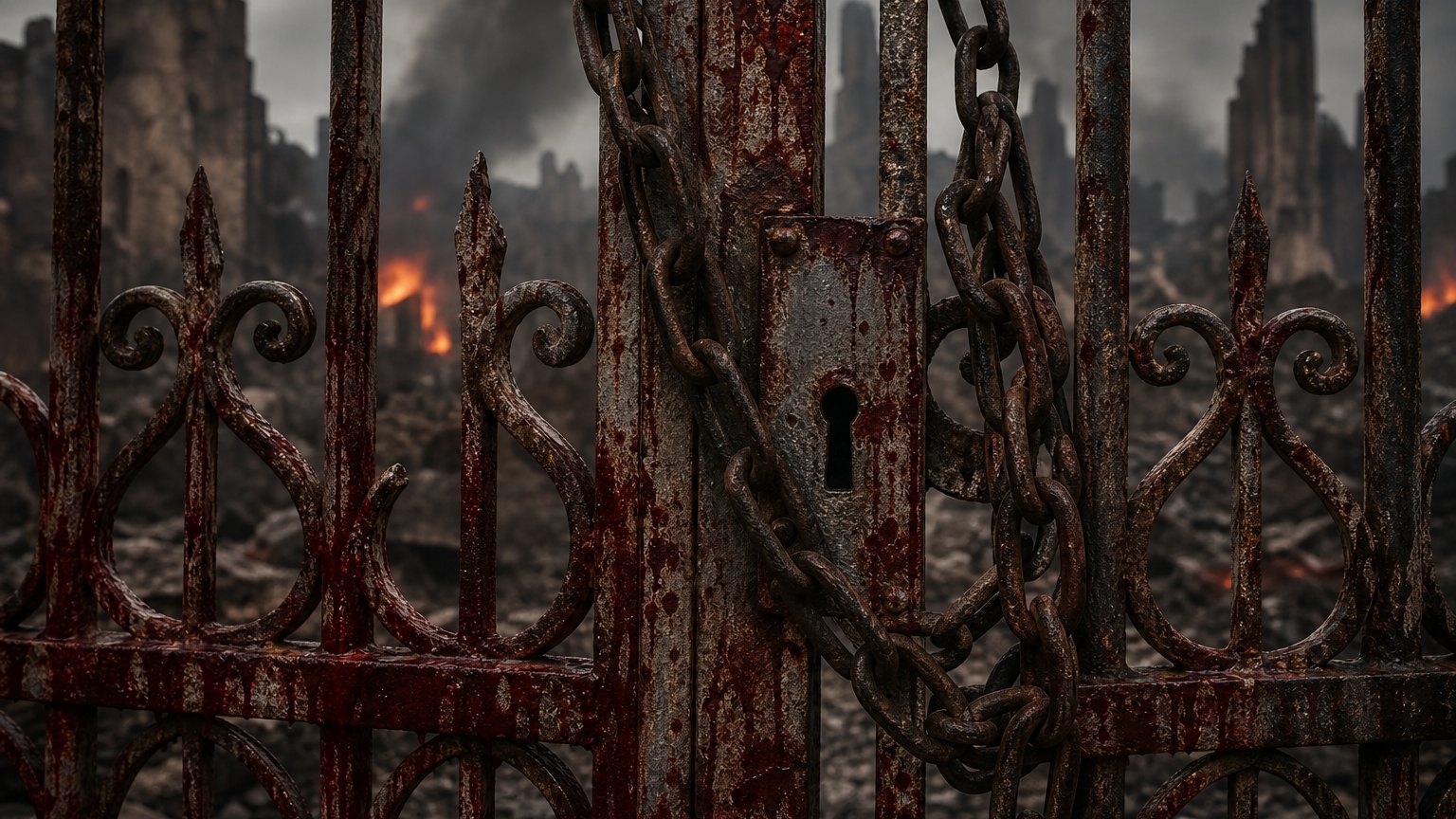
The narrative premise is stark and effective. We are thirty years into a nuclear apocalypse, a timeline long enough for society to have not just collapsed, but rotted away entirely. Cage plays a hardened survivor who has maintained a fortified sanctuary protected by trained attack dogs. For three decades, his strict rule of isolation has kept him alive. This is not a hero’s journey; it is a testament to paranoia and discipline. The compound is his life, his god, and his prison.
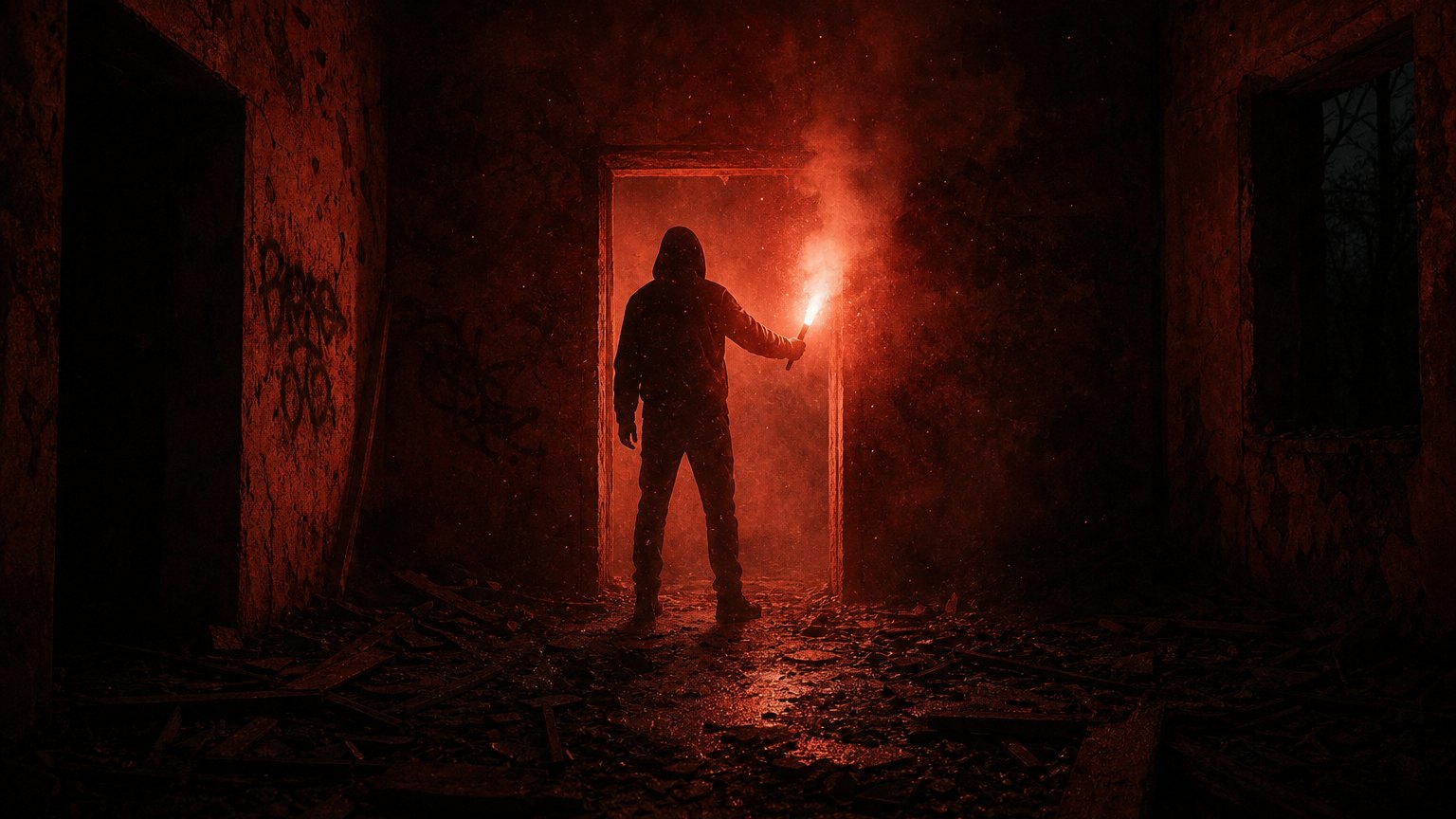
That discipline is shattered when a woman carrying an infant arrives at his gate. The decision to let them in is the catalyst, a breach of protocol that compromises his security and draws the attention of a hostile group of cannibals. This is the classic horror inciting incident, but executed with the weight of thirty years of survival hanging in the balance. The conflict is not just about survival; it is about the erosion of the self when humanity is forced back into the fold.
The Verdict: Visceral and Theatrical
Concourse Media is handling world pre-sales, and their marketing angle is clear: this is a high-stakes survival thriller with emotional intensity. Matthew Shreder of Concourse has highlighted the production's scale and its theatrical potential, a crucial distinction in an era where many horror films are designed for streaming algorithms rather than cinema screens. Producer Joel Shapiro praised Sigal’s ability to create a world that is both savage and deeply human, suggesting that the film will look beyond the gore to the psychological toll of such an existence.
Why does this matter? Because Parish understands that horror is best consumed in the dark, surrounded by strangers. The imagery of a fortified compound breached by cannibals is not subtle, but it is potent. Cage, ever the committed chameleon, will likely bring a manic energy to the role that contrasts sharply with the cold, calculated survivalism he has practiced for thirty years. The dynamic between the isolated survivor and the intruders offers a rich vein for tension. This is not a film for the faint of heart or the casual viewer. It is a blood-soaked examination of what happens when the rules of civilization are stripped away, leaving only hunger and fear. It earns its score through sheer audacity and the promise of unflinching brutality.

Comments (4)